




Rebecca Sue Harris
UnverifiedDiversified Family Farm since 2021
Meat & Poultry
Dairy
Produce
Fruit & Berries
Herbs
Honey & Bees
Photos
Practices
Not verified by Bhumi. This farm's practices have not been independently verified. Product claims are based on publicly available information and have not been confirmed.
About Rebecca Sue Harris
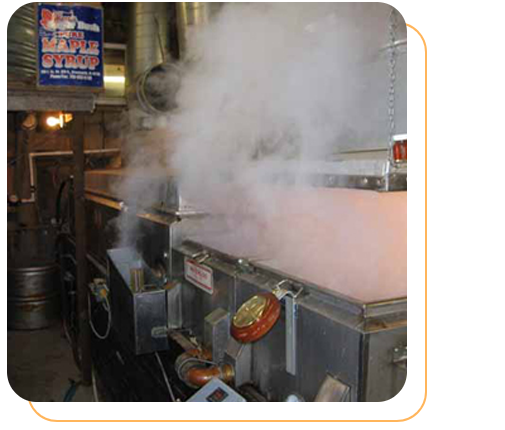
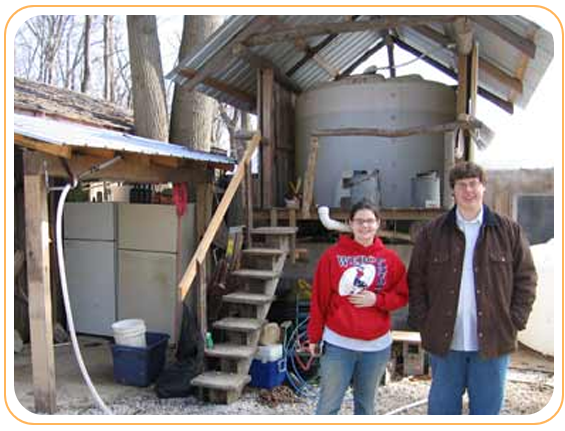
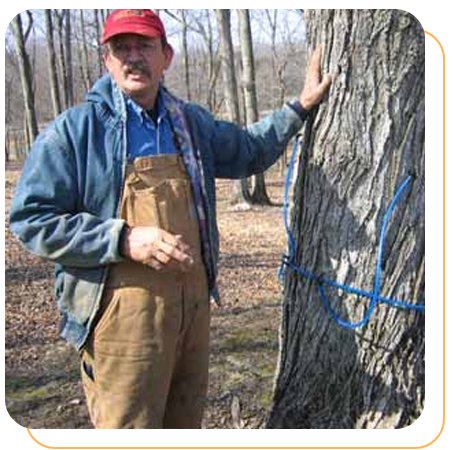
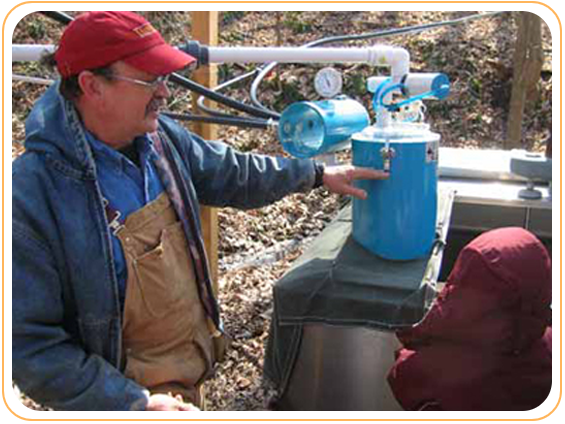
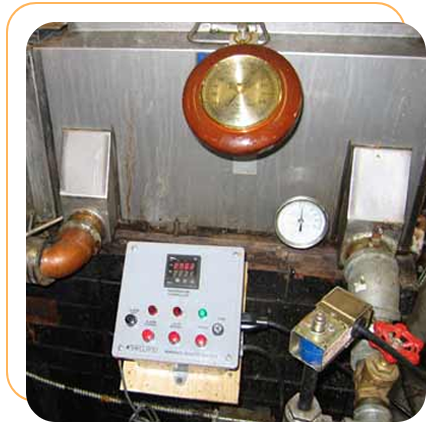
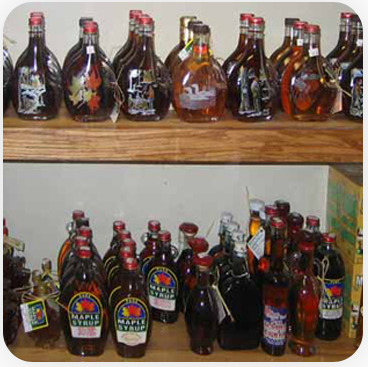
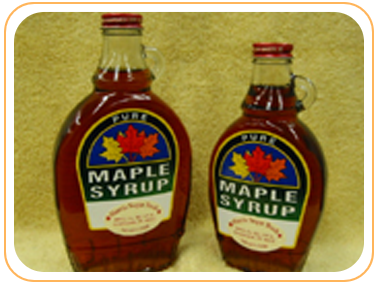
Syrup is a modern staple for breakfast in today’s society; however, few people truly know how syrup comes into existence. All pure maple syrup begins as the sap of a maple tree, usually either a sugar maple (Acer saccharum) or a black maple (Acer nigrum). After the maple trees are tapped, the sap begins an intricate journey to become the syrup that we all know and love. Harris Sugar Bush uses both old-fashioned and modern techniques to create our syrup. Arthur Harris tells how the sap begins to flow every year around late January and February. Each maple tree is tapped and tubing is run to a collection tank, where a vacuum helps to draw the sap out of tree. Cold nights of 25-28 degrees contract the cells and form a vacuum. This vacuum draws up groundwater into the tree. Every morning as the sun strikes the tree, the cells inside the tree expand and cause carbon dioxide to pressurize the tree. The pressure results in the tree’s sap flowing. Over fifteen miles of tubing helps to transfer the sap from the trees to collection tanks. Owner Arthur Harris describes how the tubing utilized today is much improved over the tubing from older days. The old tubing would become brittle in the sun and had to be replaced quite often, whereas the new tubing is quite flexible and longer lasting Owner Arthur Harris describes how the tubing utilized today is much improved over the tubing from older days. The old tubing would become brittle in the sun and had to be replaced quite often, whereas the new tubing is quite flexible and longer lasting Harris Sugar Bush has a total of twenty sap collection tanks that are connected to nearly every maple tree on their property. The sap is then trucked from the milk coolers to the syrup processing building, or sugar house. The large white tub in the picture is full of maple sap. High school seniors Lee Ann Whittemore and Ben Crostreet recently visited Harris Sugar Bush during an open house and learned all about the syrup story. The process of creating syrup from sap is quite complicated. The sap first undergoes the process of reverse osmosis, where excess water is removed from the sap. The sap then enters the evaporator, which is seen in this picture. As the sap flows from one evaporating bin to another, the remaining excess water is continuously boiled away. This evaporator can convert 2000 gallons of sap into syrup per day. The final step in evaporating the water from the sap requires exact precision, as the sap must reach a temperature of 221 degrees. To heat this sap, a furnace is run at 2100 degrees. When the sap is finished heating, the final product is syrup. For every gallon of syrup produced, 40-50 gallons of sap are collected. The Fifth Generation of Sugar Makers in Training The syrup is then purified and bottled for sale by grade and type. Harris Sugar Bush999 East County Road 325 North Greencastle, IN 46135 Copyright © 2021 Harris Sugar Bush | We trust Distinctwith our Website because of their Unlimited Support,Client Testimonials, and Website Maintenance Checklist.
Our Story
Arthur Harris describes how sap begins to flow every year around late January and February. Harris Sugar Bush uses both old-fashioned and modern techniques, including over fifteen miles of tubing and twenty sap collection tanks, to create their syrup. The business was copyrighted in 2021.
Meet Arthur Harris
Farm Stand Owner · Since 2021
How We Process
Hours & Operations
| monday | Closed |
| tuesday | Closed |
| wednesday | Closed |
| thursday | Closed |
| friday | Closed |
| saturday | Closed |
| sunday | Closed |