Mike & Clare's Farm
UnverifiedProduce Farm
Photos
About Mike & Clare's Farm
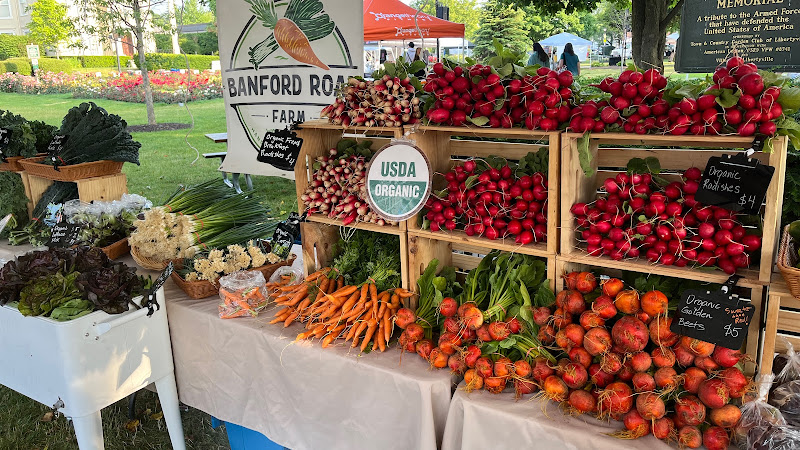
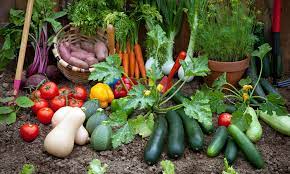
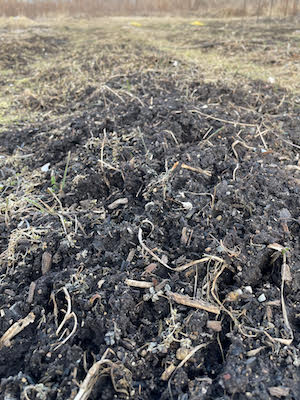
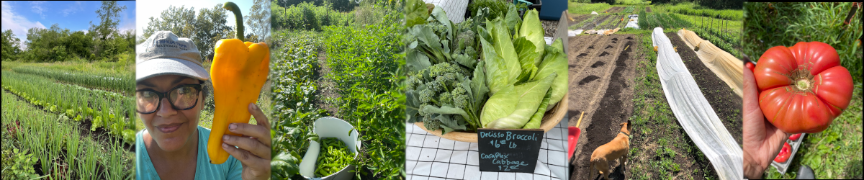
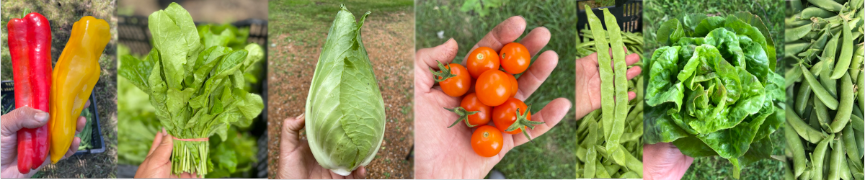
Hi! It's me - Clare Schaecher - your farmer. Mike Birch and I started Mike & Clare's Farm in 2008 on 2 rented acres of land in Ottawa, IL. So much has changed since then! We moved a bunch, bought a farm in Harvard, IL, got married and had a couple of kiddos. We've gone from a full-throttled CSA and farmers market operation to a smaller part-time market farm. I do most of the farming these days, with Mike pitching in when he has a free moment from his off-farm job. I started farming part-time when my kids became my full-time job. And I kind of like it! I grow less food now (and make less money), and getting through my to-do list is an unfunny joke, but being able to go to the beach (or the doctors, or to visit family and friends, etc.) during the season has added a sense of balance that I didn't have when I farmed full-time. Some things haven't changed since we started: we are still hyper focused on growing beautiful vegetables in harmony with our diverse environment and we're still hyper focused on sharing this food with our community — we're just a lot better at it now! Each year brings new challenges and new adventures and we're so happy to share it with all of you! We use 50 foot beds that are 30 inches wide with one foot aisles - it's definitely a squeeze! Over the years, we've learned which plants can tolerate being super close to their neighbors and which cannot (kale does not want to be squished; peppers don't mind at all). We carefully map out what, when and where we plant, following tight rotations and succession schedules. To prepare the land for farming, we use compost from Midwest Organic Recycling, rock phosphate and cover crops for fertility. We use minimal tillage methods, which usually means that we make one pass with the rotary tiller in the spring and then use a wheel hoe to prepare beds throughout the season. In 2020, we began experimenting with temporarily tarping beds to kill weeds and further reduce our tillage. While we're not big fans of bringing more plastic on to the farm, the tarps did help us control the quack grass that was really becoming a problem and allowed us to go completely no-till for the first time in 2022. During the growing season, we use compost teas to help maintain plant health. We rely on biodiversity to control pests, but when a crop is threatened, we handpick pests. We've never used any kind of fungicide, pesticide, or herbicide — organically approved or otherwise. We grow a diverse crop of vegetables — in 2025 we will grow more than 25 types of vegetables and 50 varieties. We only buy seeds from companies that have made the safe seed pledge — which means no GMO seeds and we buy organic seeds whenever possible. When growing transplants, we use biologically active and OMRI approved potting mix. We completed ten years of growing on our Harvard farm in 2022. I'm happy to report that our soil structure and fertility keep getting better. We're now able to grow better kale and brussels sprouts than we could when we first started growing here, and our carrots grow nice and straight even in our silty clay soil (seriously…silty. clay.). We have, unfortunately, introduced a few diseases into the soil - damping off makes growing spinach a challenge, and we have a papaya mosaic virus, of all things, that affects our summer squash. But, overall, we're happy with our growing techniques. We have loads of bees, butterflies, spiders and beetles. The birds visit often and tree frogs sing in our pond. Are we “regenerating” the soil? That's hard for anyone to say without a lot of data, but I think we're decent neighbors - and we're happy with the results. All of our harvest is done by hand. We make every attempt to harvest vegetables at their peak ripeness — which means greens are harvested early in the morning and tomatoes are picked when they begin to soften. We do our best to taste-test vegetables to make sure they have their best flavor (but the radicchio is always going to be bitter!). We hy
Our Story
Clare Schaecher and Mike Birch started Mike & Clare's Farm in 2008 on 2 rented acres in Ottawa, IL. They later moved to Harvard, IL, bought a farm, got married, and had children. The farm transitioned from a full-time CSA and farmers market operation to a smaller, part-time market farm, focusing on growing high-quality vegetables while caring for their soil and promoting biodiversity.
Meet Clare Schaecher, Mike Birch
Farm Owner · Since 2008
What Sets This Farm Apart
UnverifiedEvery practice listed here means something specific. Tap any practice to learn what it requires and why it matters.
Poultry & Eggs
Not verified by Bhumi. This farm's practices have not been independently verified. Product claims (grass-fed, pasture-raised, organic, etc.) are based on publicly available information and have not been confirmed.
Hours & Operations
Location & Directions
Quick Facts
Practices