





In Good Heart Farm
UnverifiedProduce Farm
Why You’ll Love Eating Local
Our Animals
Cattle
Cattle: Ayrshire
Photos
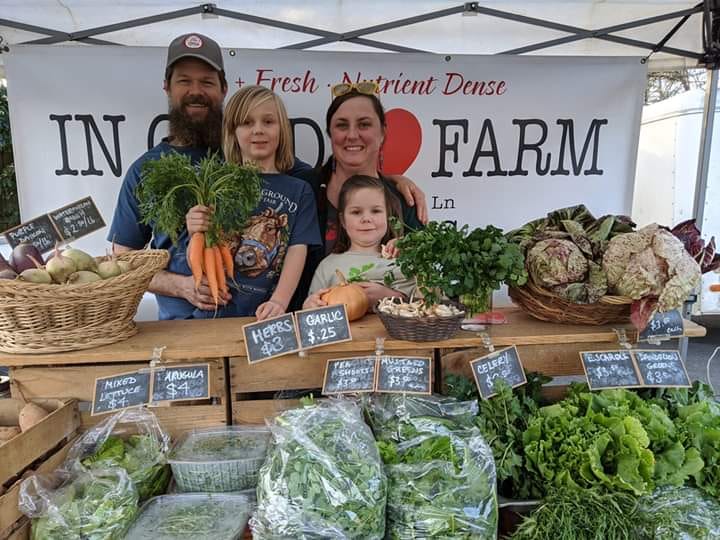
About In Good Heart Farm
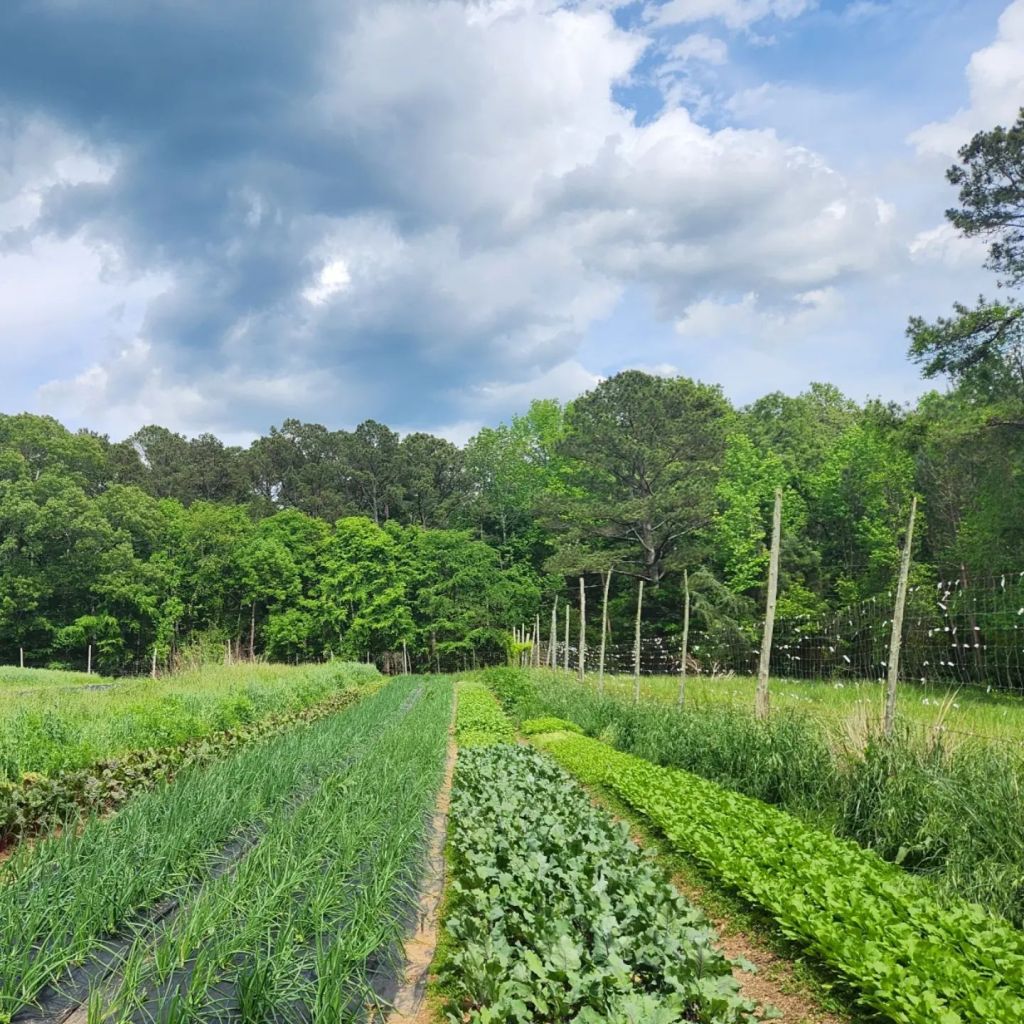
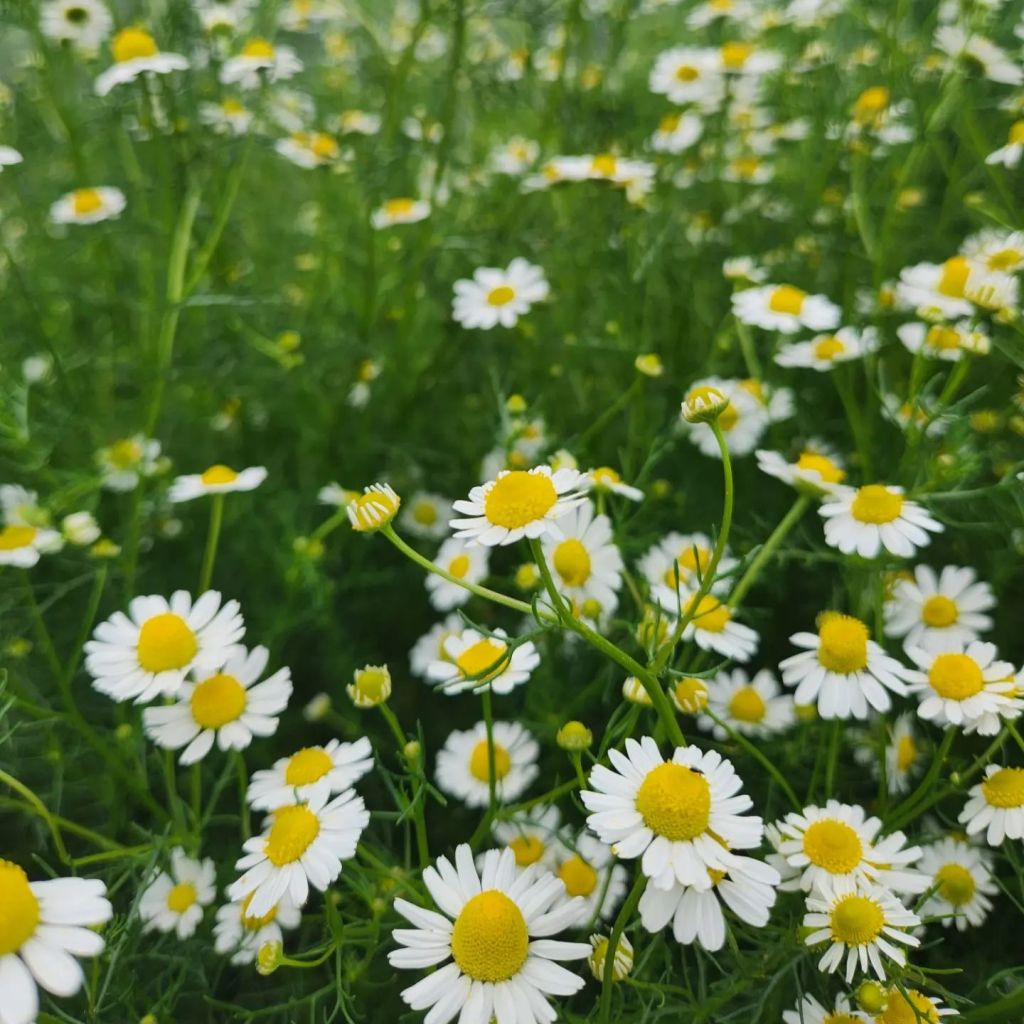
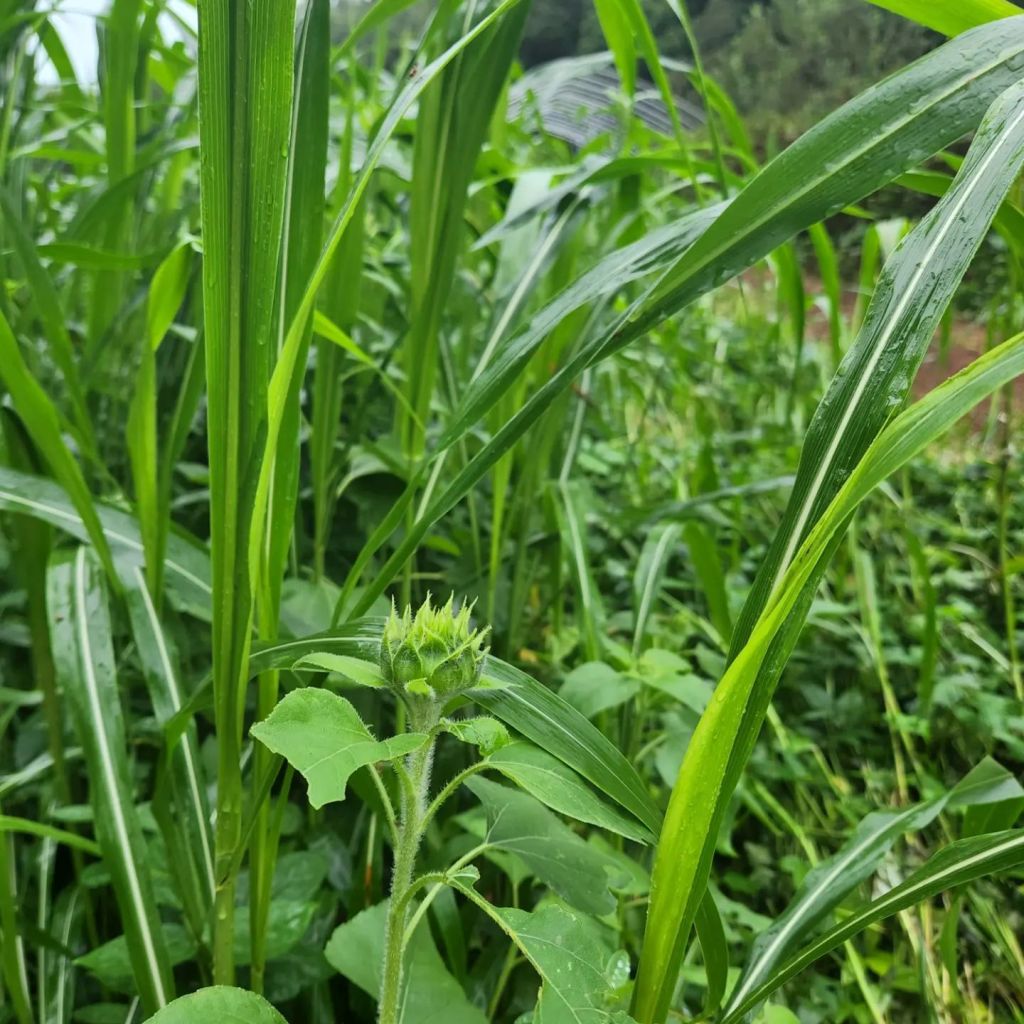
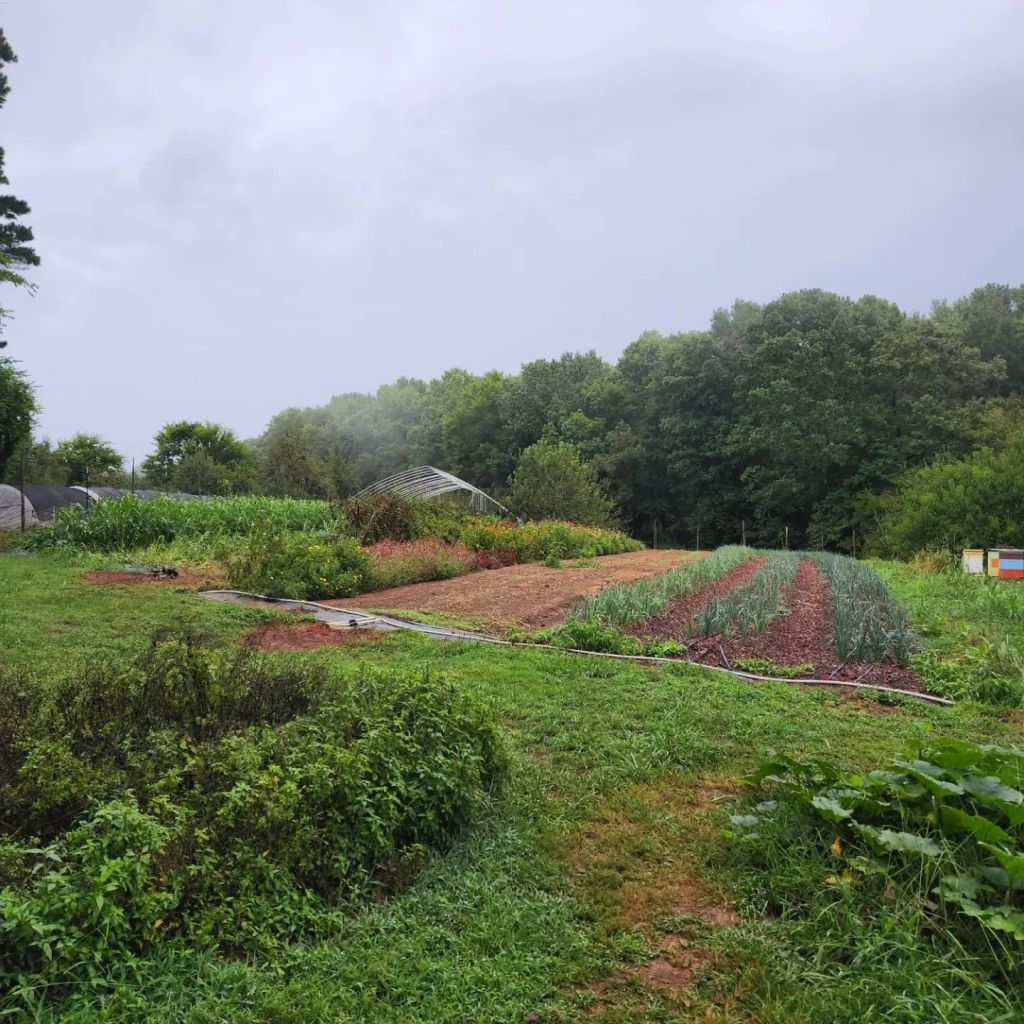
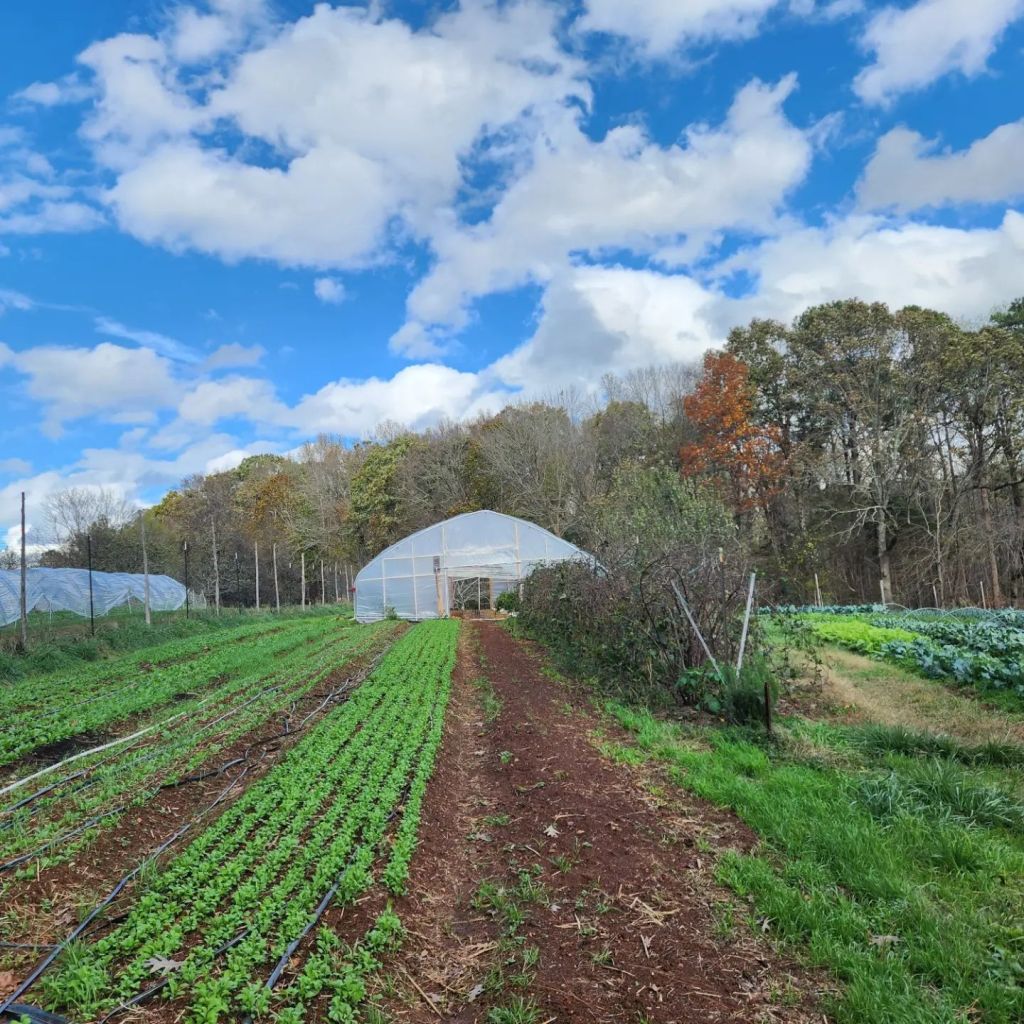
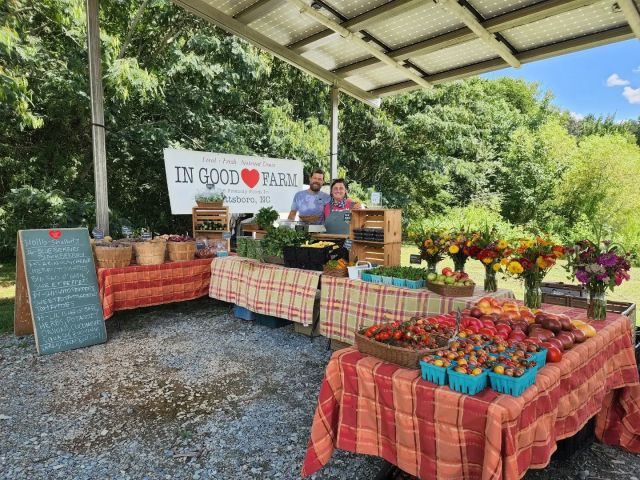
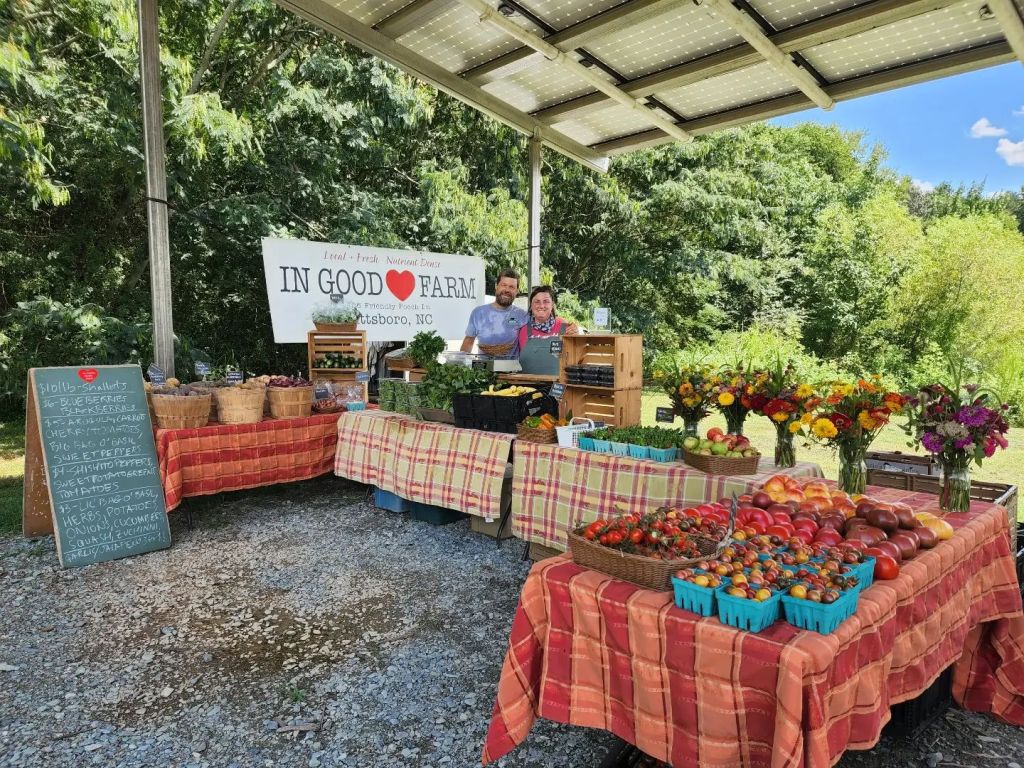
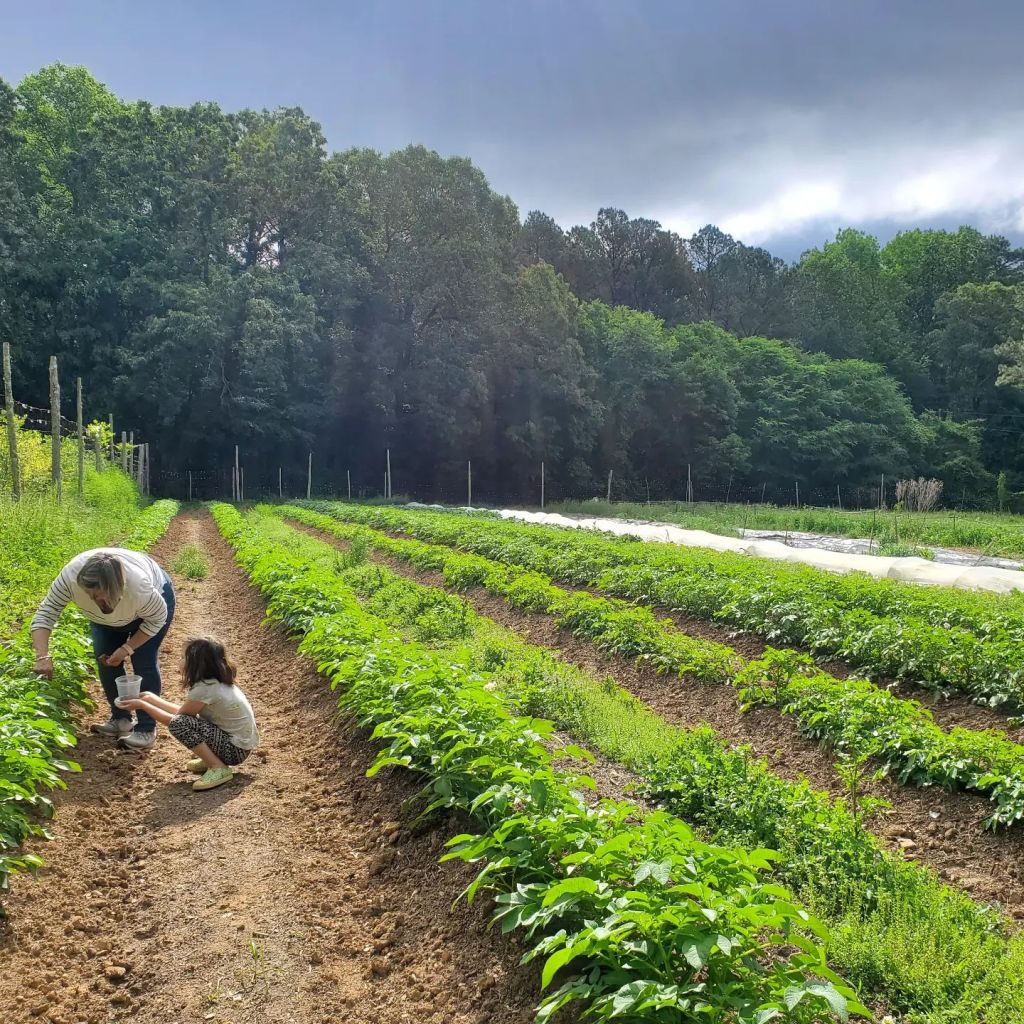
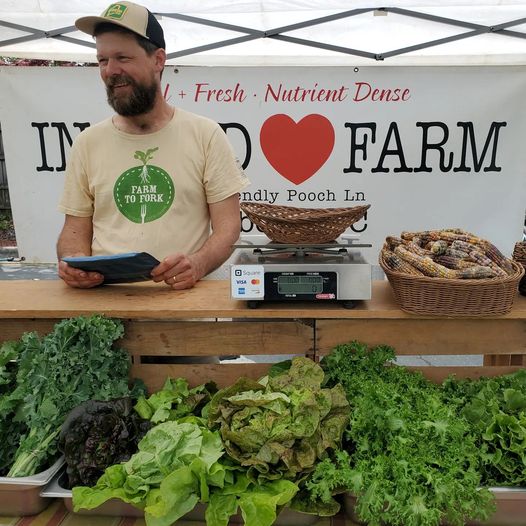
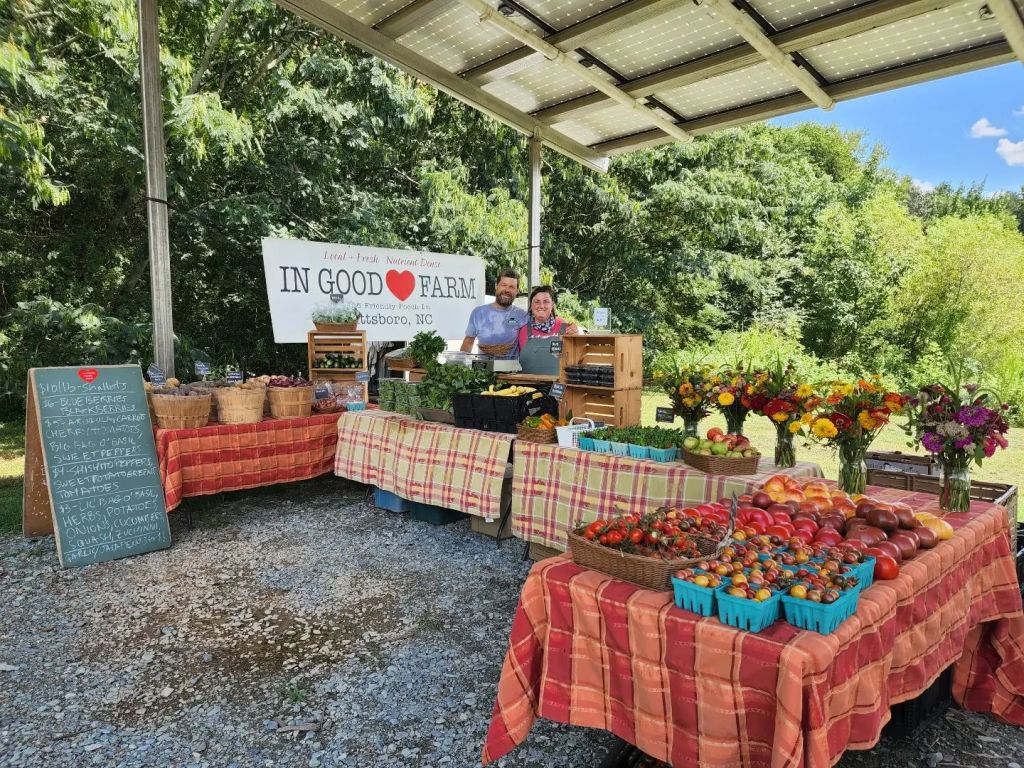
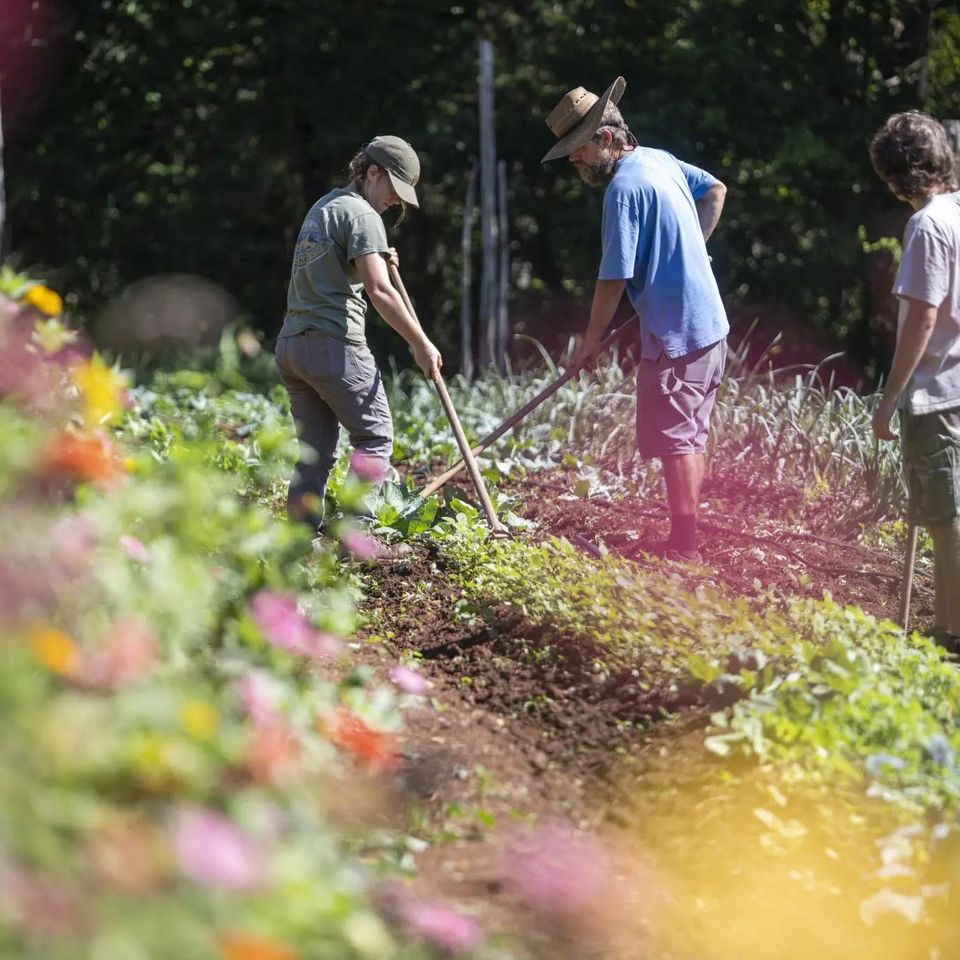
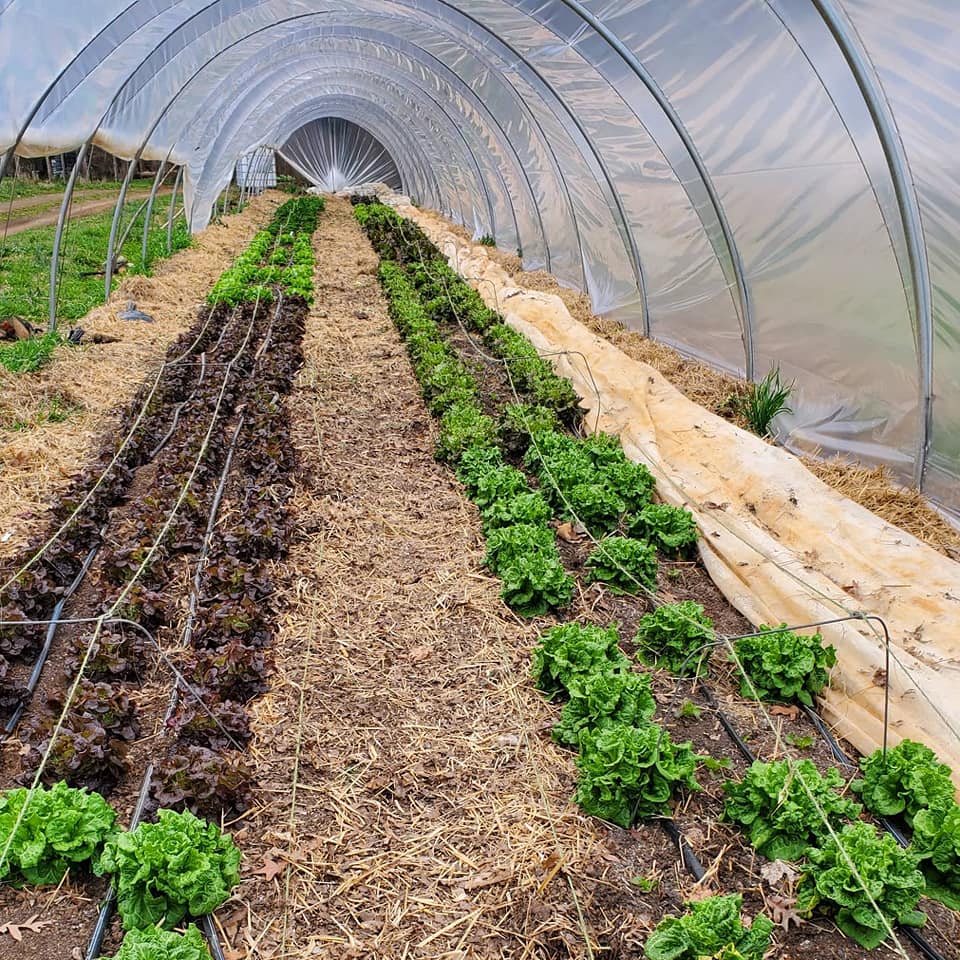
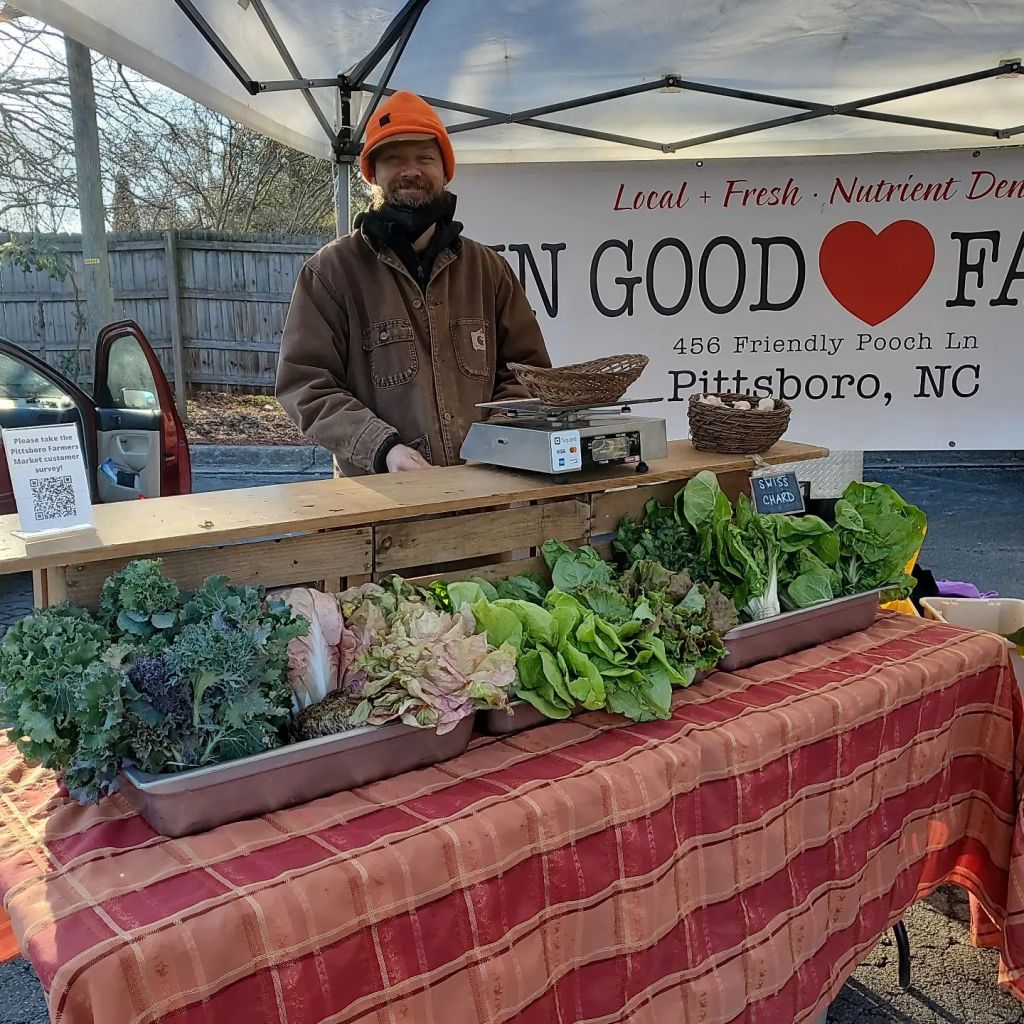
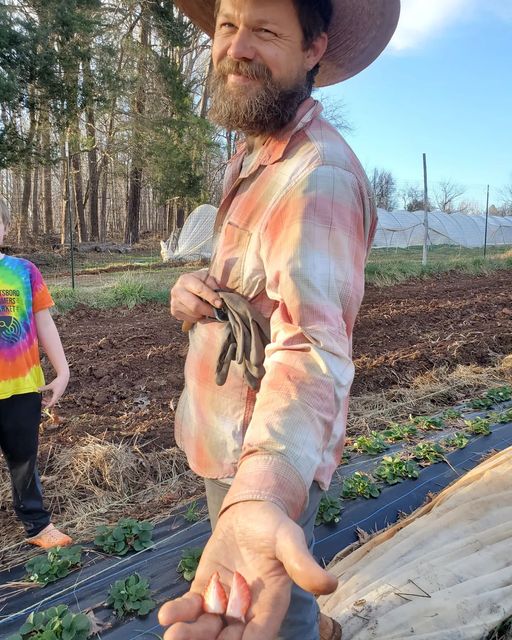
The short of it:We grow food with care for the land and the people who eat from it. We do not use synthetic fertilizers, pesticides, or herbicides, and we do not plant GMO seed. The longer story:Everything we do begins with the soil. Healthy soil—soil that isin good heart—grows plants that are better able to care for themselves. When the soil is alive and balanced, plants are more resilient in the face of insects and disease, and the food they produce is more flavorful and nourishing. We tend our soil gently and intentionally: minimizing tillage, planting cover crops, rotating crops, and testing our soil at least once a year so we can add minerals thoughtfully and only when needed. This is slow work. It asks patience. But it is work that builds fertility not just for this season, but for the future. We grow more than 100 different varieties of vegetables, herbs, and flowers, and we make space for native plants too—especially in hedgerows and borders—because a farm does not thrive in isolation. These plants invite beneficial insects, birds, and other creatures who help keep the whole system in balance. We also plant catch crops, offering pests something else to eat besides the crops we’re growing for you. Our land is the site of North Carolina’s first certified organic farm, certified in 1982 under the stewardship of Bill Dow of Ayrshire Farm. While we farm using organic—and beyond-organic—practices, we choose not to pursue certification. Our farm is small and highly diversified, and all of our sales are direct. The people who eat our food know us, can ask questions, and are always welcome to come see how we grow. Certification can be a useful tool, especially for wholesale operations where that direct relationship doesn’t exist. For us, the cost and paperwork don’t make sense—and more importantly, certification alone doesn’t fully reflect how we farm. We focus on building soil health over time and managing pests and disease through methods that mimic natural systems, rather than trying to dominate them. We see ourselves not as controllers of the land, but as participants in it. Our mission is to grow and share the best-tasting food we can, in service of healthier people, a stronger community, a more resilient agriculture, and a livable planet. The nameIn Good Heartcarries many meanings for us, but it comes from an old English phrase. To say soil is “in good heart” means it is healthy, well tended, and full of life. To say a person is “in good heart” means they are cultivating wisdom, courage, and spirit. Our farm’s name is both a description and an aspiration—of the soil we steward, and of the people we hope to be. In Good Heart Farm was started by life partners Ben Shields and Patricia Parker. Ben grew up in a farming family. His father and stepmother are dairy farmers in eastern Massachusetts—among the last independent dairies left in the state. His mother is a fiber artist who works from sheep to shawl and grows her own dye plants for natural dyeing. Farming, craft, and care for living systems have always been part of his world. Patricia did not grow up on a farm. She grew up on Army bases in Germany, Texas, and Oklahoma before her parents retired to middle Tennessee. She taught sociology as an adjunct professor at Middle Tennessee State University and later pursued a PhD at NC State. But once she and Ben moved to the farm, it became clear where her heart belonged. The work of farming—rooted, relational, and deeply human—called her home. Our crew, both paid and volunteer, is made up of generous, capable people who feel drawn to farming or homesteading: Lee, Kate, Jenna, Greg, Kirstie, and Courtney. We are also deeply grateful for our CSA pickup site hosts—Laura, Isabel and Evan, Will, Nora and Anthony, Joelle, and Jackie—who help make this work possible beyond the farm gates. This work is not easy, and it is not a path to wealth in the usual sense of the word. But it is meaningful, necessary, and deeply satisfy
Our Story
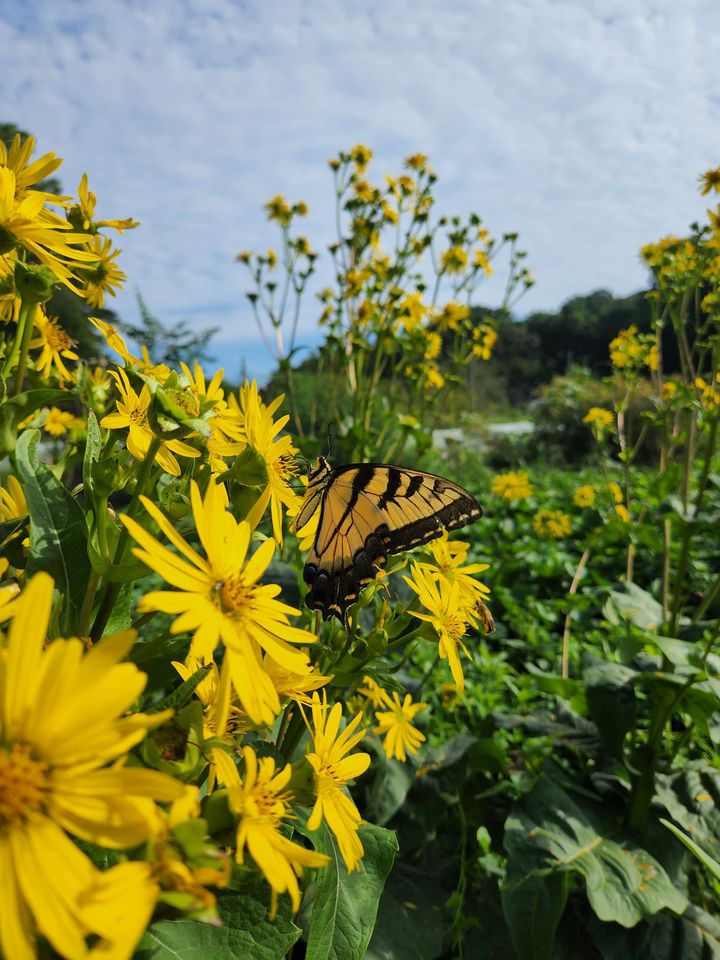
Our Farming Practices The short of it:We grow food with care for the land and the people who eat from it. We do not use synthetic fertilizers, pesticides, or herbicides, and we do not plant GMO seed. The longer story:Everything we do begins with the soil. Healthy soil—soil that isin good heart—grows plants that are better able to care for themselves. When the soil is alive and balanced, plants are more resilient in the face of insects and disease, and the food they produce is more flavorful and nourishing. We tend our soil gently and intentionally: minimizing tillage, planting cover crops, rotating crops, and testing our soil at least once a year so we can add minerals thoughtfully and only when needed. This is slow work. It asks patience. But it is work that builds fertility not just for this season, but for the future. We grow more than 100 different varieties of vegetables, herbs, and flowers, and we make space for native plants too—especially in hedgerows and borders—because a farm does not thrive in isolation. These plants invite beneficial insects, birds, and other creatures who help keep the whole system in balance. We also plant catch crops, offering pests something else to eat besides the crops we’re growing for you. Our land is the site of North Carolina’s first certified organic farm, certified in 1982 under the stewardship of Bill Dow of Ayrshire Farm. While we farm using organic—and beyond-organic—practices, we choose not to pursue certification. Our farm is small and highly diversified, and all of our sales are direct. The people who eat our food know us, can ask questions, and are always welcome to come see how we grow. Certification can be a useful tool, especially for wholesale operations where that direct relationship doesn’t exist. For us, the cost and paperwork don’t make sense—and more importantly, certification alone doesn’t fully reflect how we farm. We focus on building soil health over time and managing pests and disease through methods that mimic natural systems, rather than trying to dominate them. We see ourselves not as controllers of the land, but as participants in it. Our mission is to grow and share the best-tasting food we can, in service of healthier people, a stronger community, a more resilient agriculture, and a livable planet. The nameIn Good Heartcarries many meanings for us, but it comes from an old English phrase. To say soil is “in good heart” means it is healthy, well tended, and full of life. To say a person is “in good heart” means they are cultivating wisdom, courage, and spirit. Our farm’s name is both a description and an aspiration—of the soil we steward, and of the people we hope to be. In Good Heart Farm was started by life partners Ben Shields and Patricia Parker. Ben grew up in a farming family. His father and stepmother are dairy farmers in eastern Massachusetts—among the last independent dairies left in the state. His mother is a fiber artist who works from sheep to shawl and grows her own dye plants for natural dyeing. Farming, craft, and care for living systems have always been part of his world. Patricia did not grow up on a farm. She grew up on Army bases in Germany, Texas, and Oklahoma before her parents retired to middle Tennessee. She taught sociology as an adjunct professor at Middle Tennessee State University and later pursued a PhD at NC State. But once she and Ben moved to the farm, it became clear where her heart belonged. The work of farming—rooted, relational, and deeply human—called her home. Our crew, both paid and volunteer, is made up of generous, capable people who feel drawn to farming or homesteading: Lee, Kate, Jenna, Greg, Kirstie, and Courtney. We are also deeply grateful for our CSA pickup site hosts—Laura, Isabel and Evan, Will, Nora and Anthony, Joelle, and Jackie—who help make this work possible beyond the farm gates. This work is not easy, and it is not a path to wealth in the usual sense of the word. But it is meaningful, necess
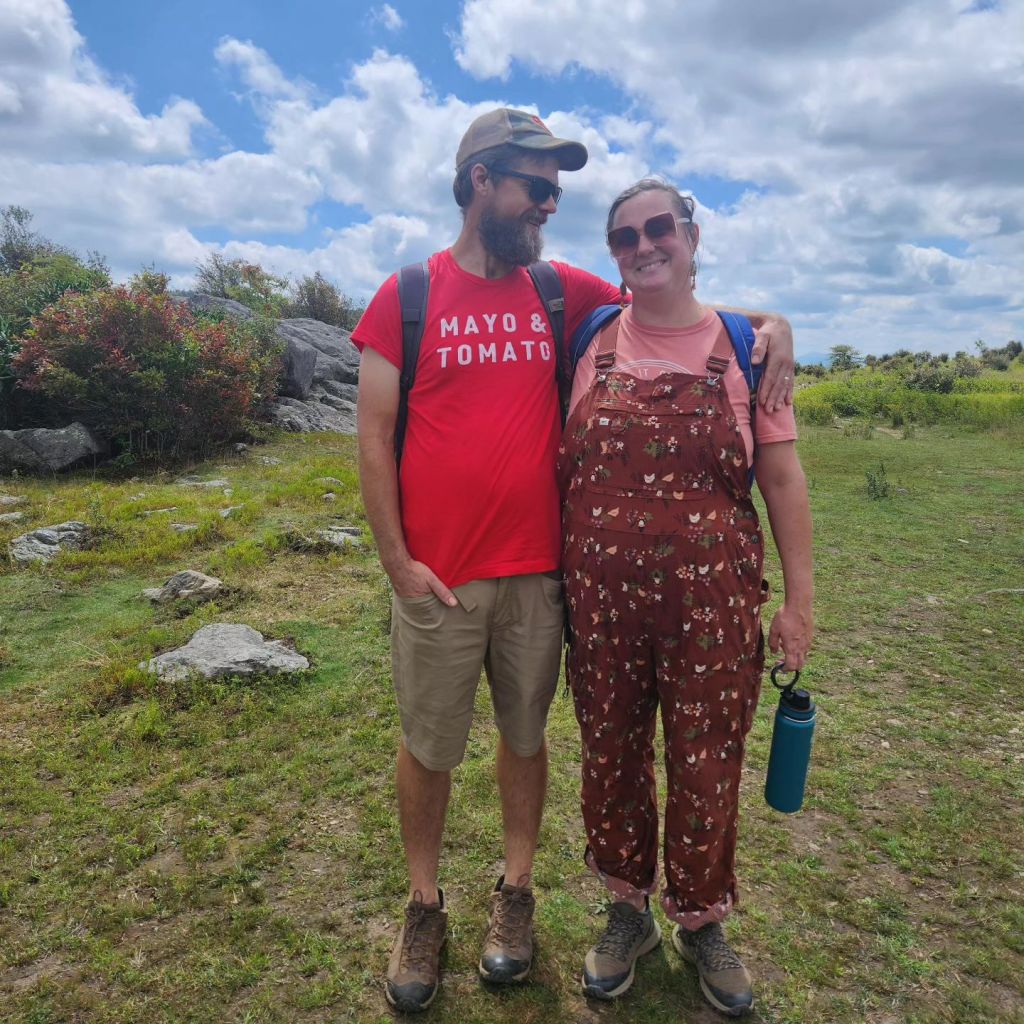
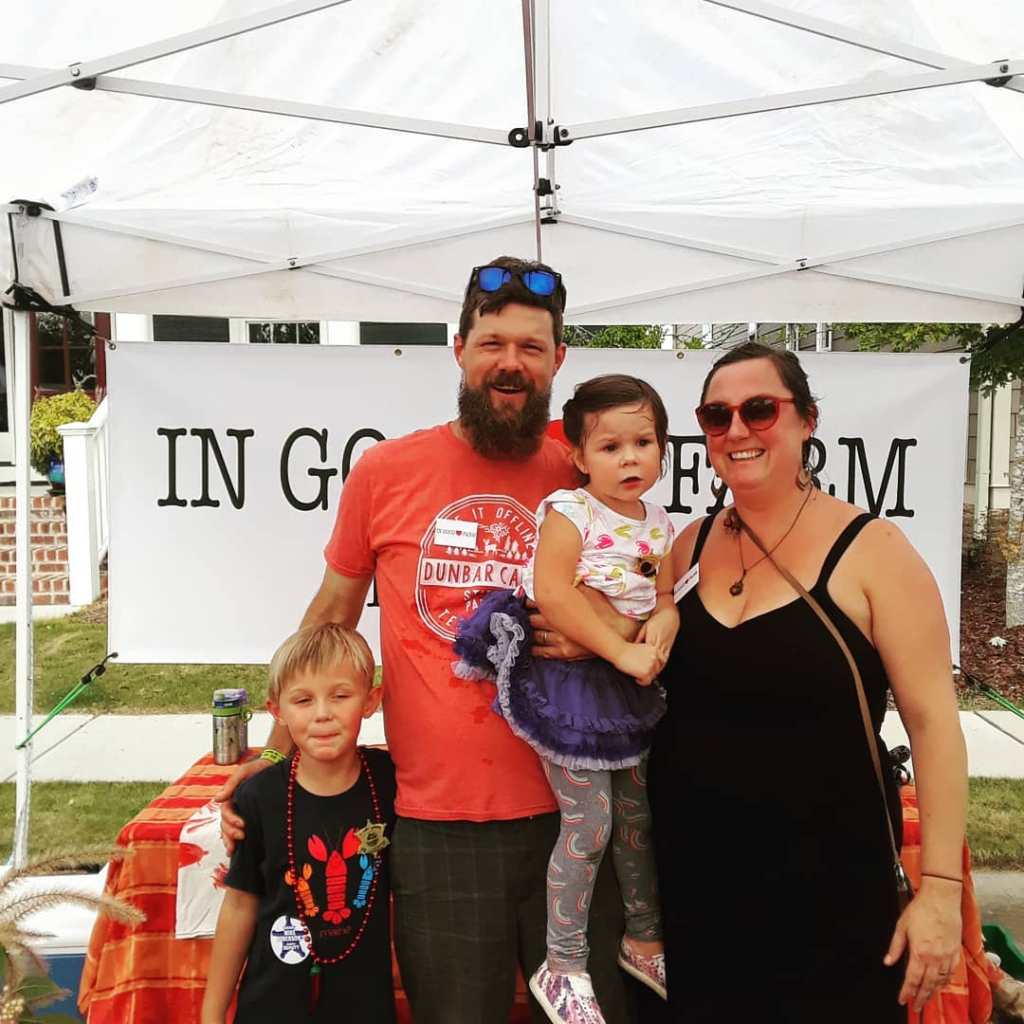
Meet life partners
Farm Owner · Since 2009
What Sets This Farm Apart
UnverifiedEvery practice listed here means something specific. Tap any practice to learn what it requires and why it matters.
Not verified by Bhumi. This farm's practices have not been independently verified. Product claims (grass-fed, pasture-raised, organic, etc.) are based on publicly available information and have not been confirmed.
Hours & Operations
Location & Directions
Quick Facts
Practices