











Farm2People Inc
UnverifiedSecuring Local California Harvests & Fighting Hunger in Greater Los Angeles
How to Buy
Markets & Stores
farmers market
Photos
About Farm2People Inc
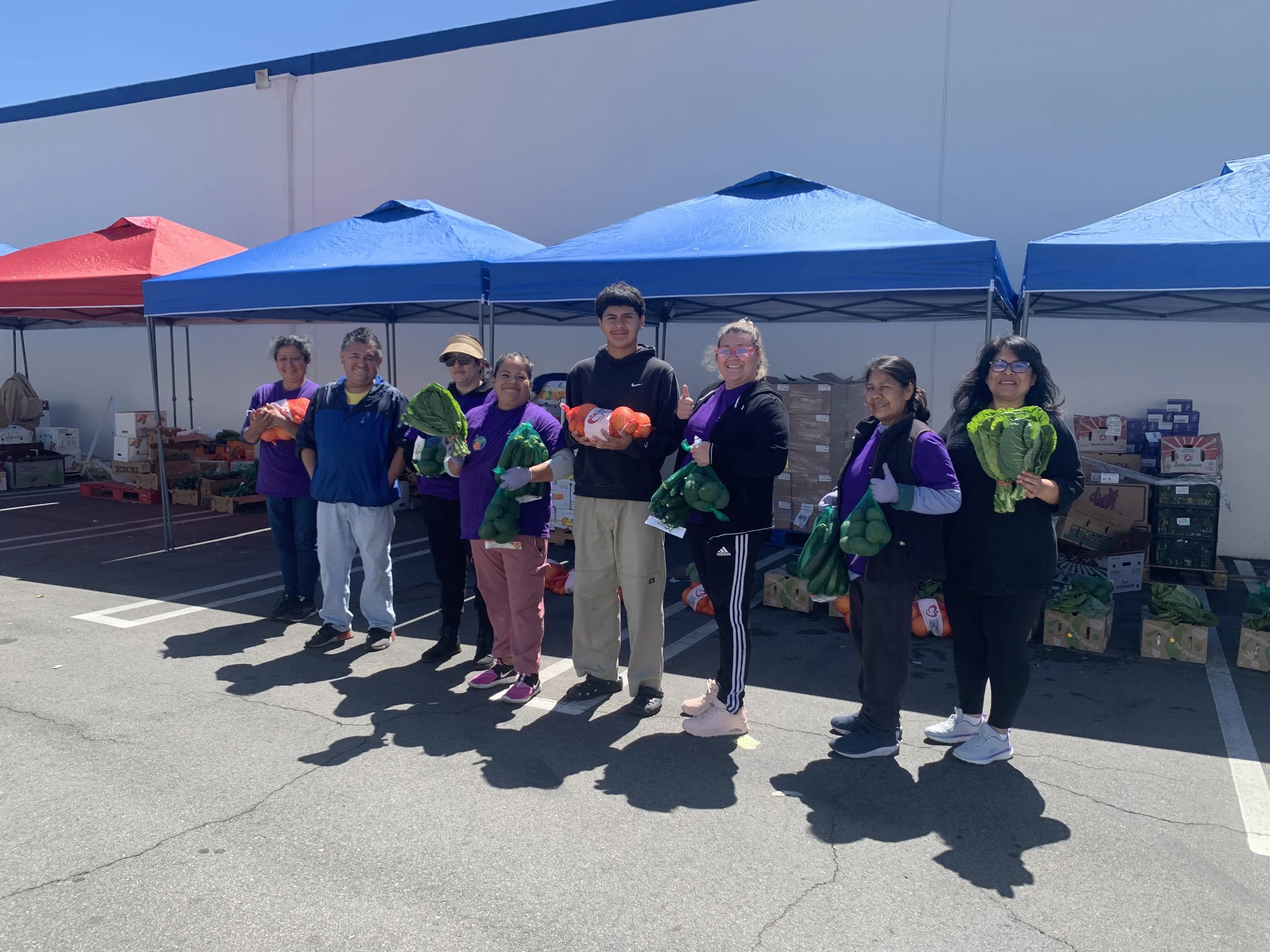
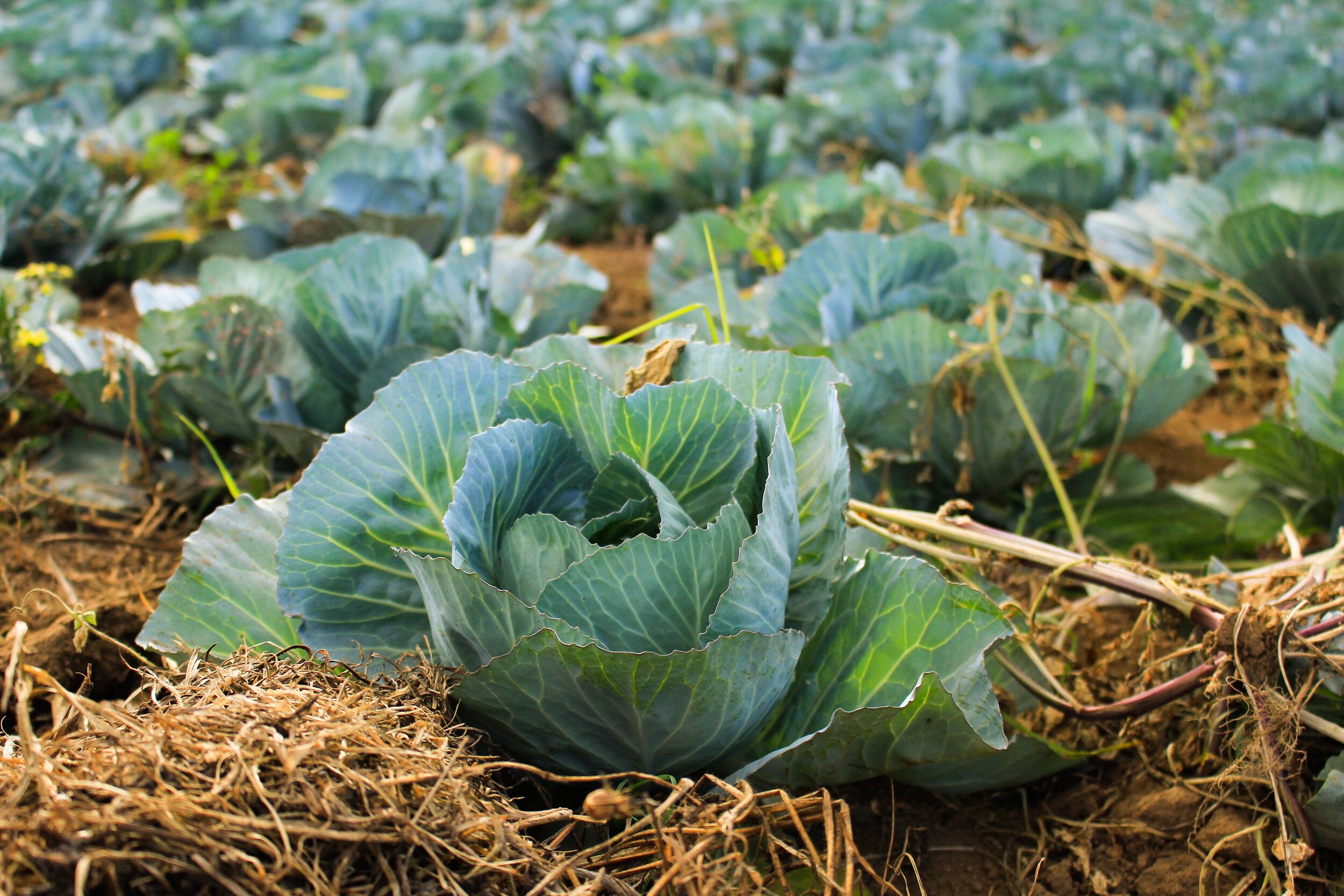
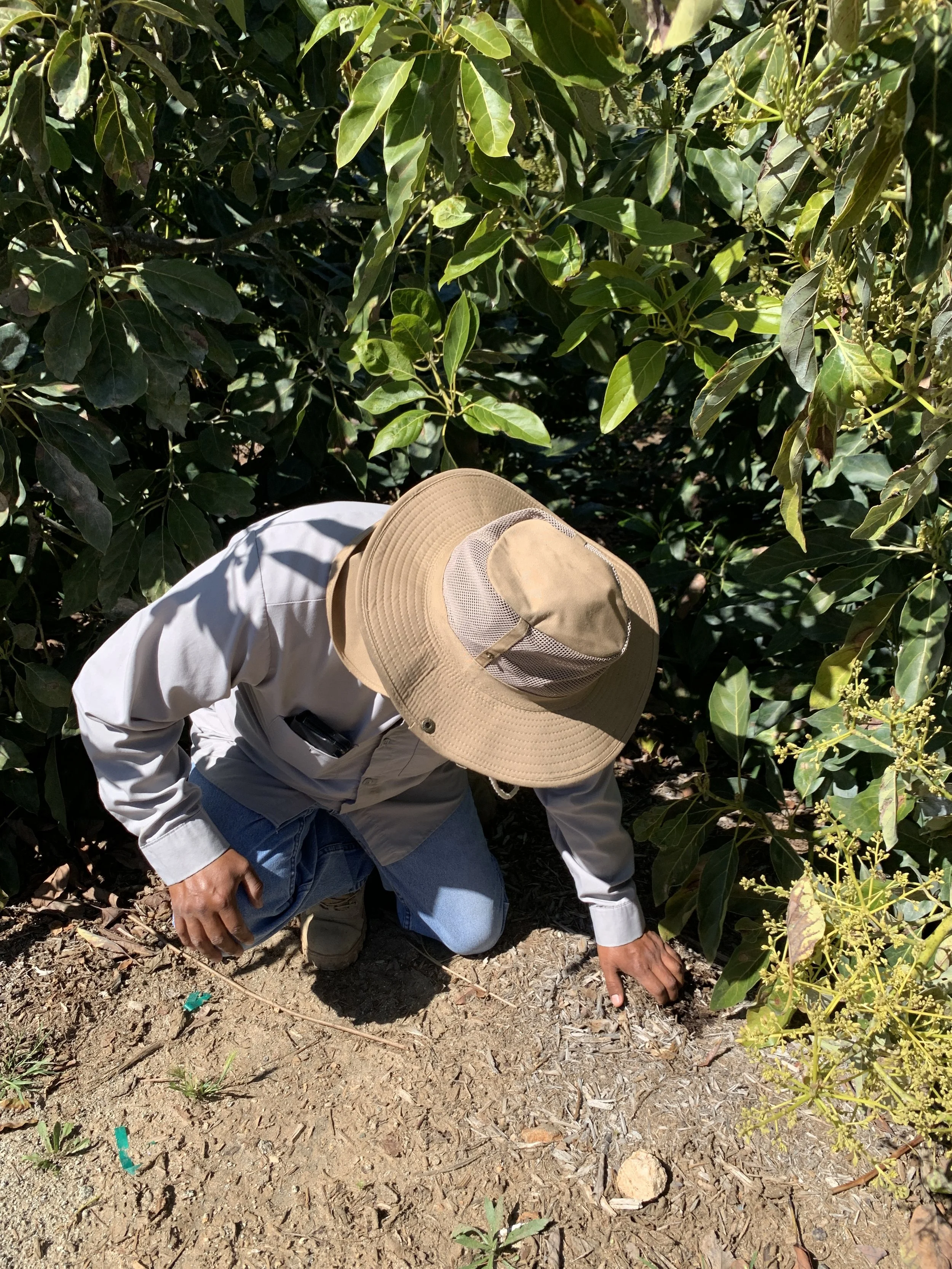
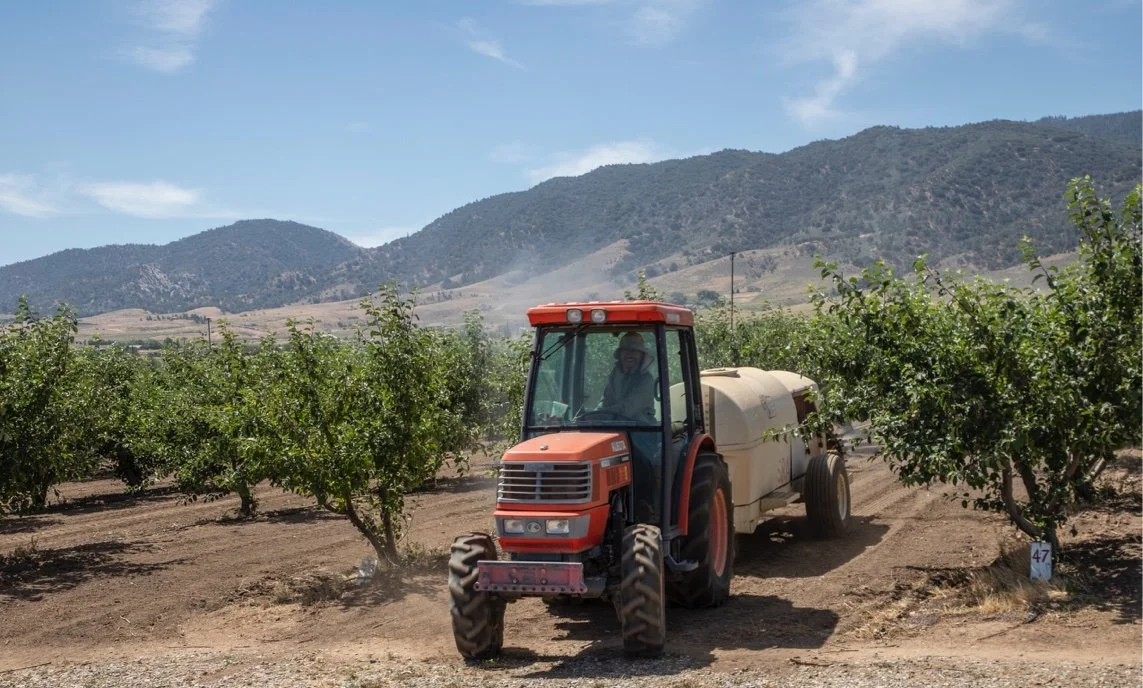
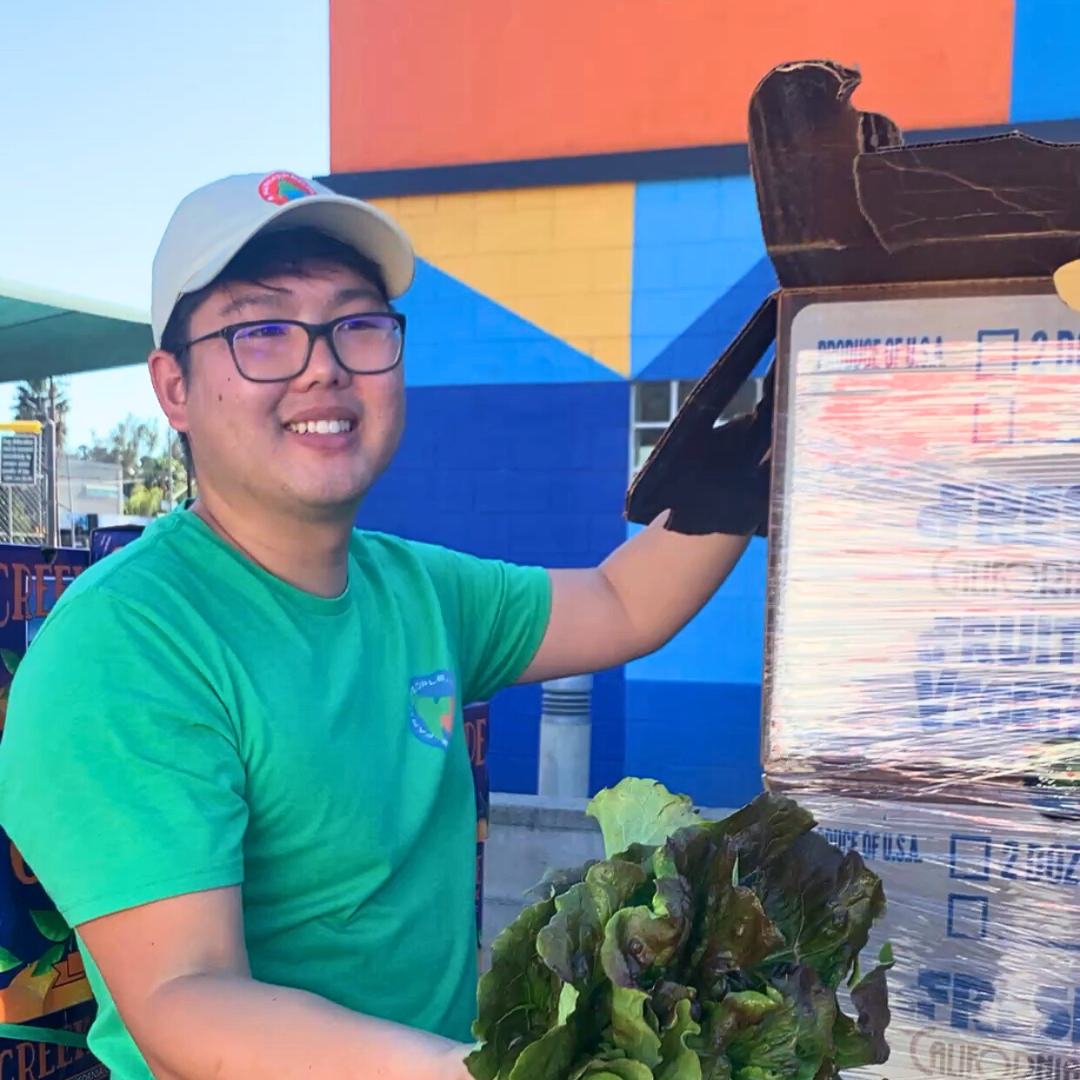
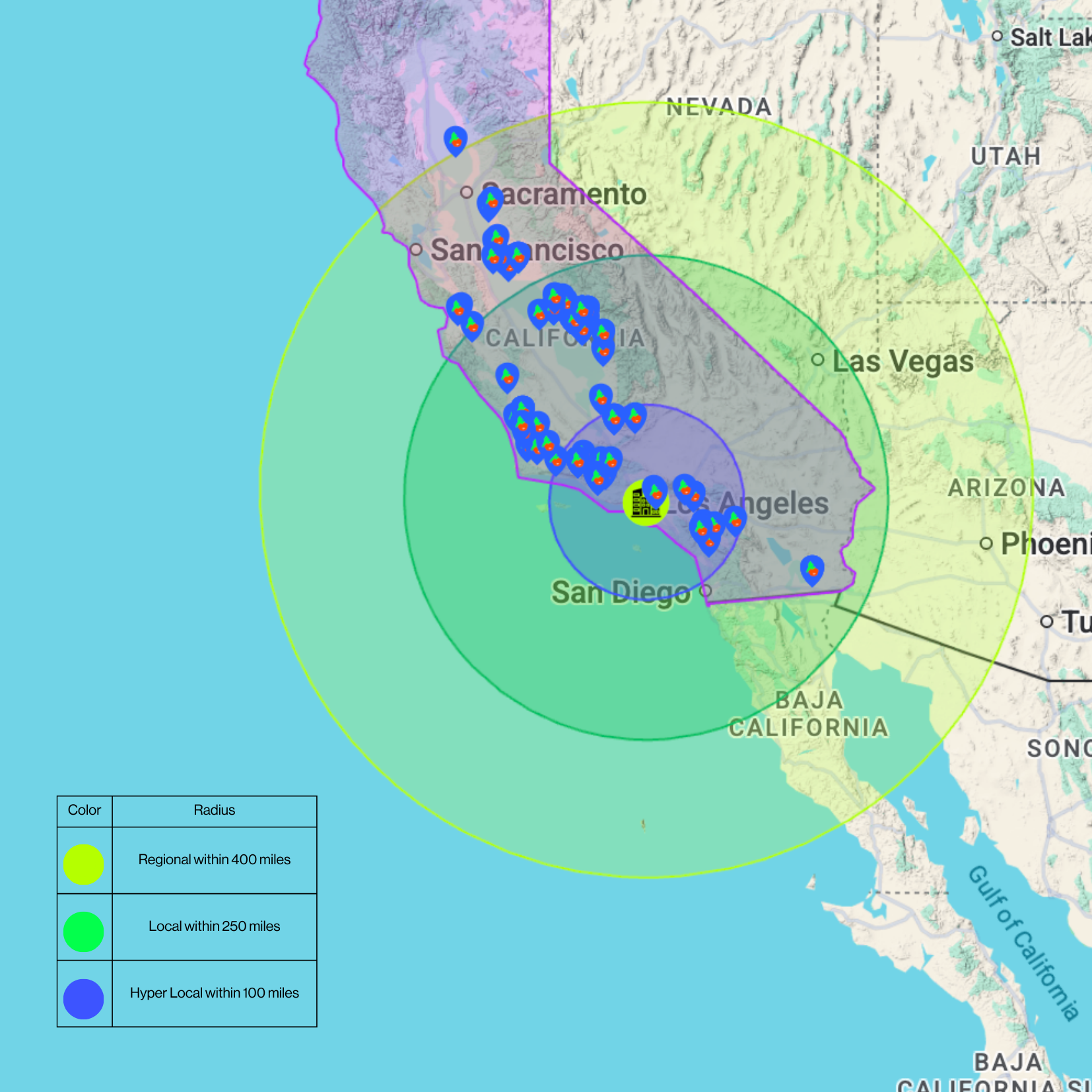
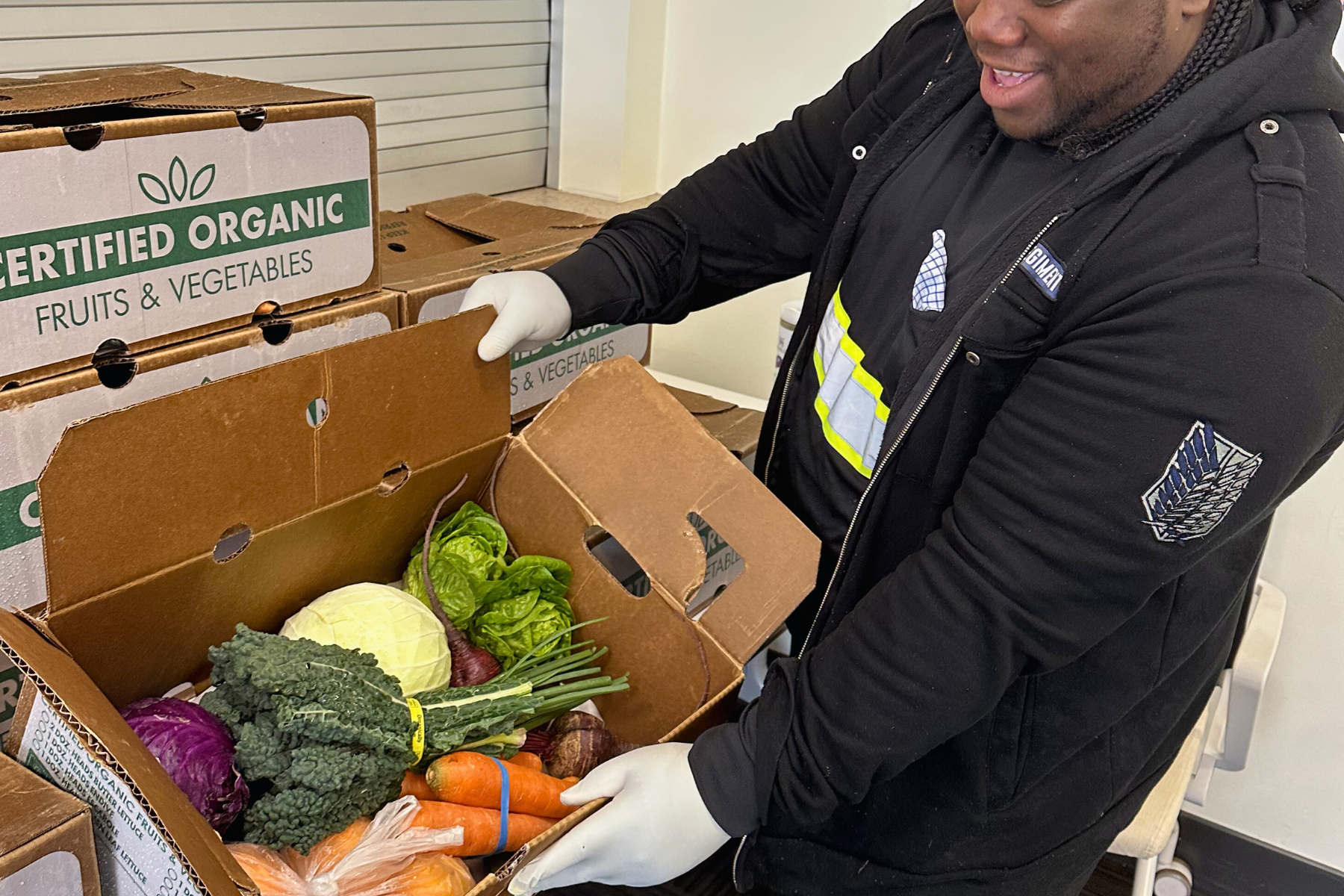
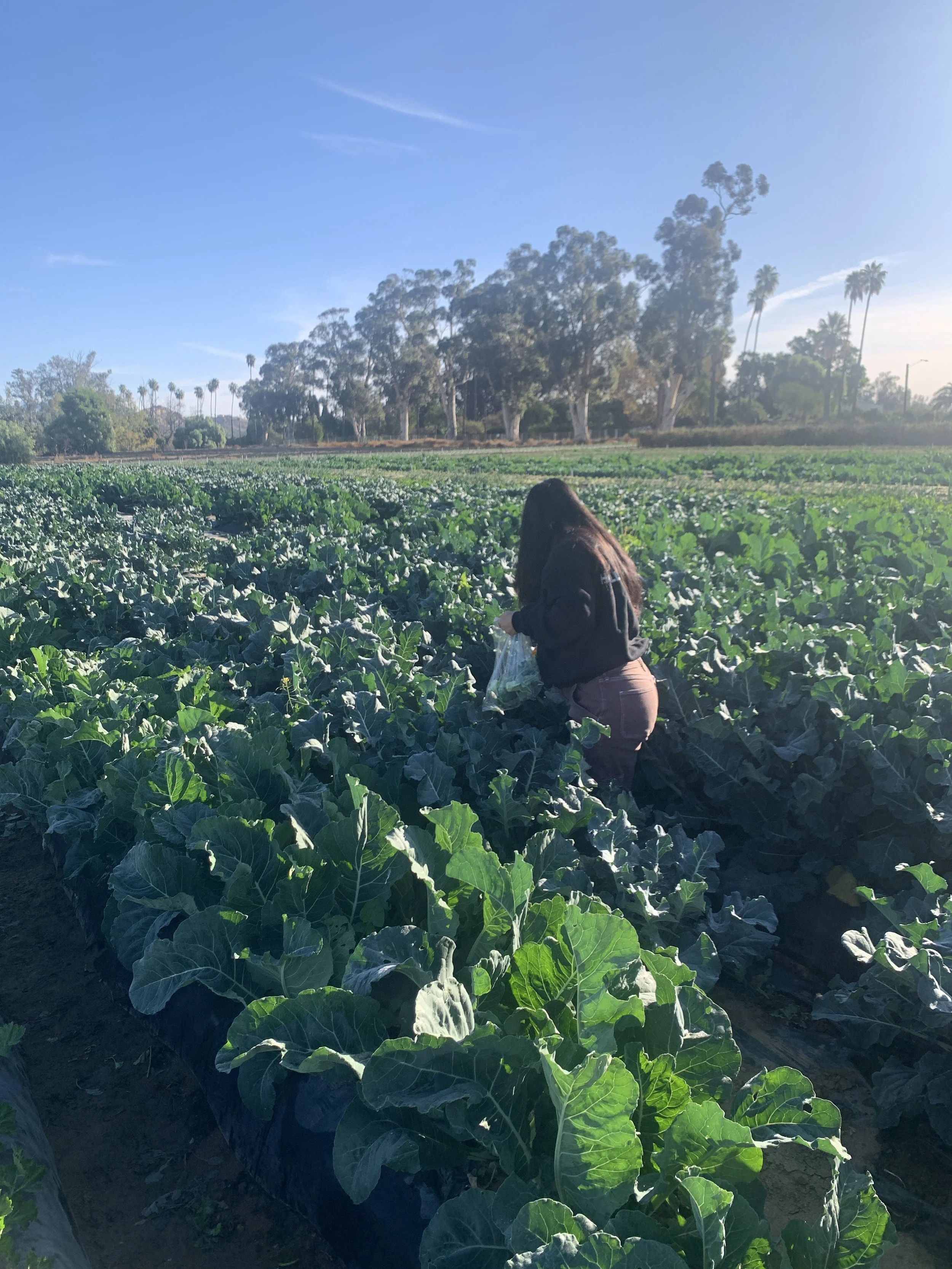
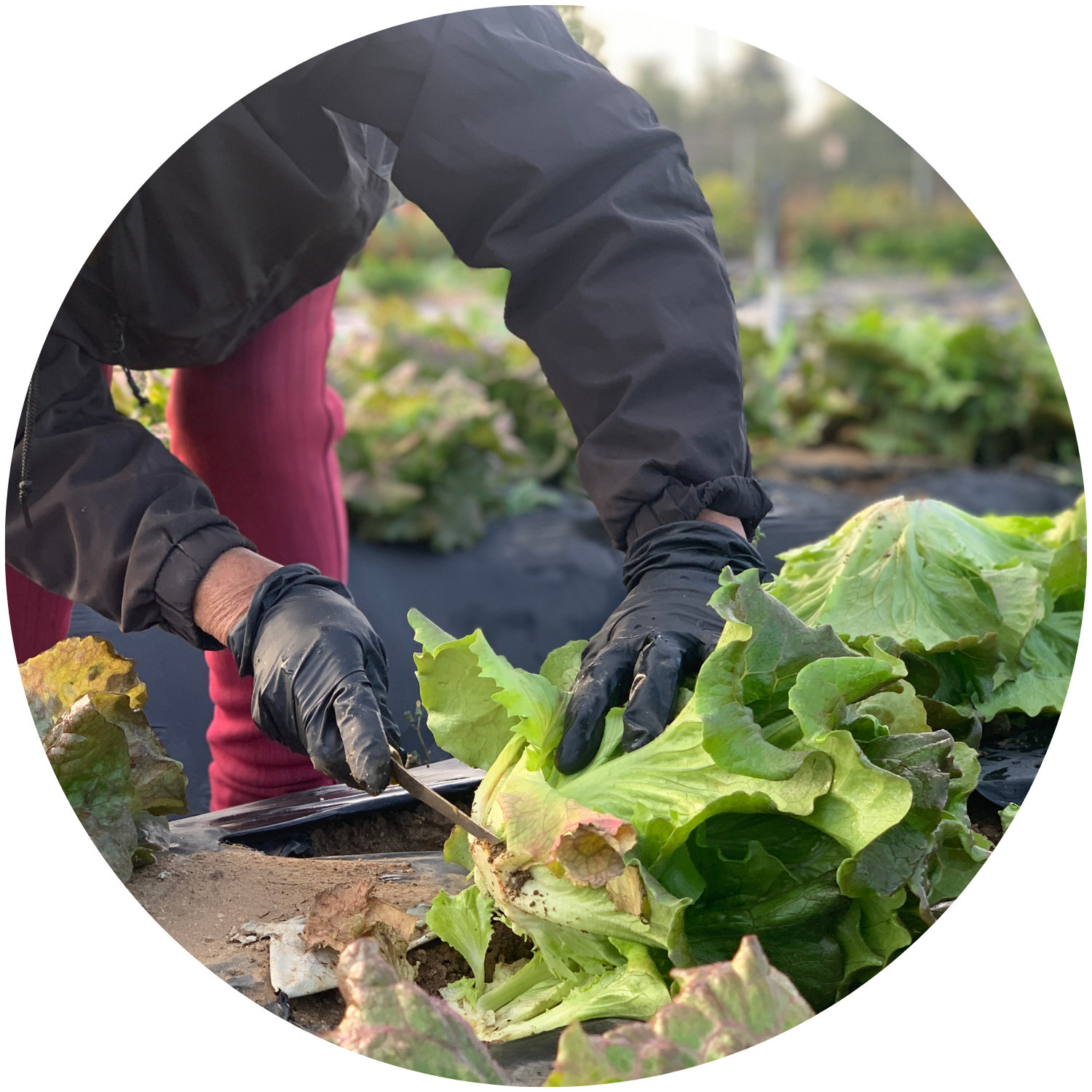
Farm2People’s mission is to Secure Local Harvests & Fight Hunger in Greater Los Angeles, and we do our work with regenerative and collaborative values. Why? Because even though California is the nation’s largest food producing state, we lose thousands of small and independent farmers every year… And while Los Angeles is the second most populated metro area in the country, 1 in 4 LA households are estimated to be food and nutrition insecure. Our food supply chain does not currently work for most people. But we can fix that! By securing local and regional, regenerative harvests, Farm2People is empowering an alternative, local food supply chain — one that centers the needs of farmers and people. By investing in local and regional regenerative farmers, we can strengthen the Southern California food shed keep independent growers growing increase nutritious food access in Los Angeles andprotect our environment and natural resources Photo: In the field with Riverside based farm partner Raul & Family Farms Most hunger relief comes in the form of dry, shelf-stable, ultra-processed, untraceable or second hand food. Which is great! Hunger relief must come in many forms, and there is a use case for all types of food. There is no shame in this game! However, at Farm2People, we’ve noticed a gap. What’s often missing isfresh, traceable, nutritionally dense and culturally competent fruit and vegetables… because that type of food is logistically complex to obtain and often too expensive. So that’s what we work to provide. Why? Becausewe believe that all people have a right to nutritious and culturally relevant food. And because we know that eating regenerative fruits and vegetables helps fight chronic disease, increases healthier overall outcomes, and adds dignity to the food seeker’s table! This is how we invest in people! Photo: Fernando Yuan at a distribution with Impacto, a program of Proyecto Pastoral. When we talk about “regenerative” practices in farming, we are first and foremost speaking of Indigenous and ancestral practicesthat fell out of fashion here when the Americas were colonized and industrialized. “Regenerative” — the industry-styled ag term — was brought (back) into popularity in the 1980s bya guy named Bob Rodale (of the famed Rodale Institute, which is also credited with popularizing the concept of organic farming in the aftermath of WWII …) So what is regenerative farming? Essentially it’s a holistic style of land and crop management that builds soil health instead of depleting it. The outcomes of regenerative farming include more nutrient dense produce, safer working conditions for farmworkers and healthier ecosystems. Regenerative farming includes but is not limited to organic farming. At Farm2People, we seek regenerative-practicing farm partners. Those partners might carry certifications (like organic or even regenerative-organic) but they may also be small or beginning farms working towards certifications. The bottom line is that our farm partners maintain a commitment to eliminate the use of harmful chemicals through specific practices. And that’s how we offer the most nutritious support to food seekers, on the other end of our supply chain! Photo: Farmer Francisco of Wilcris Organics sharing about the soil beneath his avocado trees. We are only one part of the solution, only one part of an alternative local food supply chain. Here are the stakeholders that we rely on and, reflexively, exist to support: Farmers & Farmworker!They save seeds and plan, plant, nurture, harvest then repeat. They take on the greatest risk. Farm work is hard, under-paid, under-seen and under-supported. Food Distributors!For Farm2People, these are Institutions, Nonprofits, Community Based and Mutual Aid Organizations. Policy Advocates!They help bring awareness and funding to values-driven work. Researchers!They collect, analyze and interpret the information that shapes advocacy. People aka Food Seekers!This is you, me and al
Our Story
Farm2People’s mission is to Secure Local Harvests & Fight Hunger in Greater Los Angeles, and we do our work with regenerative and collaborative values. Why? Because even though California is the nation’s largest food producing state, we lose thousands of small and independent farmers every year… And while Los Angeles is the second most populated metro area in the country, 1 in 4 LA households are estimated to be food and nutrition insecure. Our food supply chain does not currently work for most people. But we can fix that! By securing local and regional, regenerative harvests, Farm2People is empowering an alternative, local food supply chain — one that centers the needs of farmers and people. By investing in local and regional regenerative farmers, we can strengthen the Southern California food shed keep independent growers growing increase nutritious food access in Los Angeles andprotect our environment and natural resources Photo: In the field with Riverside based farm partner Raul & Family Farms Farm2People’s Farm Network Most hunger relief comes in the form of dry, shelf-stable, ultra-processed, untraceable or second hand food. Which is great! Hunger relief must come in many forms, and there is a use case for all types of food. There is no shame in this game! However, at Farm2People, we’ve noticed a gap. What’s often missing isfresh, traceable, nutritionally dense and culturally competent fruit and vegetables… because that type of food is logistically complex to obtain and often too expensive. So that’s what we work to provide. Why? Becausewe believe that all people have a right to nutritious and culturally relevant food. And because we know that eating regenerative fruits and vegetables helps fight chronic disease, increases healthier overall outcomes, and adds dignity to the food seeker’s table! This is how we invest in people! Photo: Fernando Yuan at a distribution with Impacto, a program of Proyecto Pastoral. Farm2People’s Supply Chain When we talk about “regenerative” practices in farming, we are first and foremost speaking of Indigenous and ancestral practicesthat fell out of fashion here when the Americas were colonized and industrialized. “Regenerative” — the industry-styled ag term — was brought (back) into popularity in the 1980s bya guy named Bob Rodale (of the famed Rodale Institute, which is also credited with popularizing the concept of organic farming in the aftermath of WWII …) So what is regenerative farming? Essentially it’s a holistic style of land and crop management that builds soil health instead of depleting it. The outcomes of regenerative farming include more nutrient dense produce, safer working conditions for farmworkers and healthier ecosystems. Regenerative farming includes but is not limited to organic farming. At Farm2People, we seek regenerative-practicing farm partners. Those partners might carry certifications (like organic or even regenerative-organic) but they may also be small or beginning farms working towards certifications. The bottom line is that our farm partners maintain a commitment to eliminate the use of harmful chemicals through specific practices. And that’s how we offer the most nutritious support to food seekers, on the other end of our supply chain! Photo: Farmer Francisco of Wilcris Organics sharing about the soil beneath his avocado trees. We are only one part of the solution, only one part of an alternative local food supply chain. Here are the stakeholders that we rely on and, reflexively, exist to support: Farmers & Farmworker!They save seeds and plan, plant, nurture, harvest then repeat. They take on the greatest risk. Farm work is hard, under-paid, under-seen and under-supported. Food Distributors!For Farm2People, these are Institutions, Nonprofits, Community Based and Mutual Aid Organizations. Policy Advocates!They help bring awareness and funding to values-driven work. Researchers!They collect, analyze and interpret the information that shapes a
Meet Jamiah Hargins
Farm Owner · Since 2023
What Sets This Farm Apart
UnverifiedEvery practice listed here means something specific. Tap any practice to learn what it requires and why it matters.
Not verified by Bhumi. This farm's practices have not been independently verified. Product claims (grass-fed, pasture-raised, organic, etc.) are based on publicly available information and have not been confirmed.
Hours & Operations
Location & Directions
Quick Facts
Practices