







Downtown Wooster Farmers Market
UnverifiedDiversified Family Farm
Photos
About Downtown Wooster Farmers Market
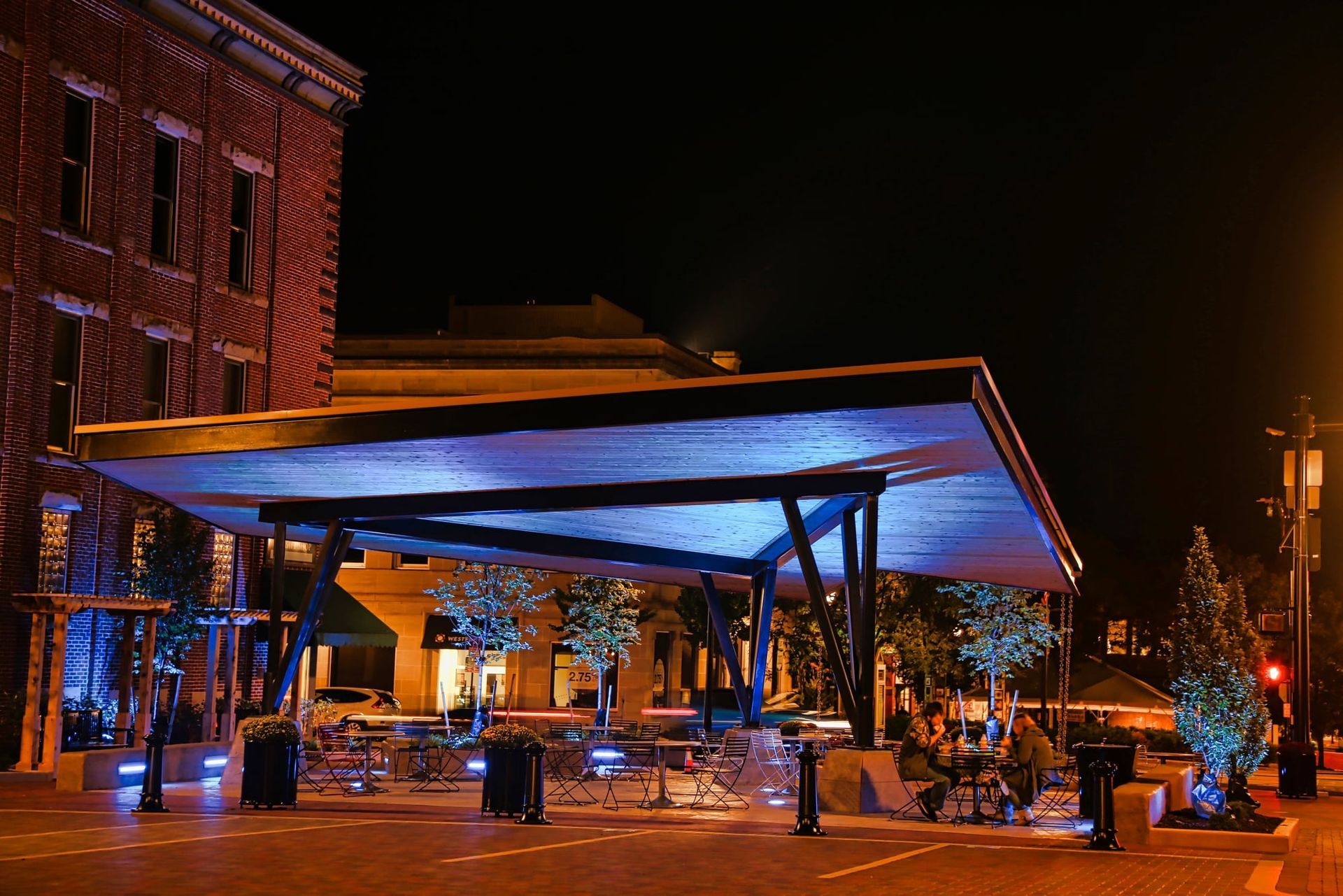
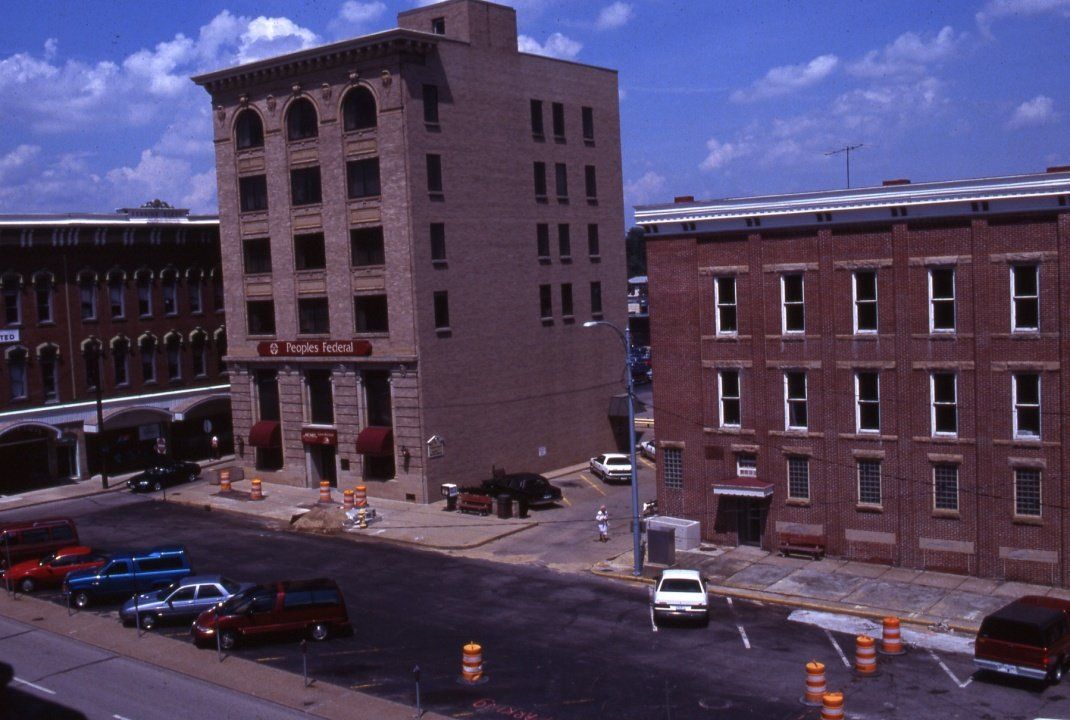
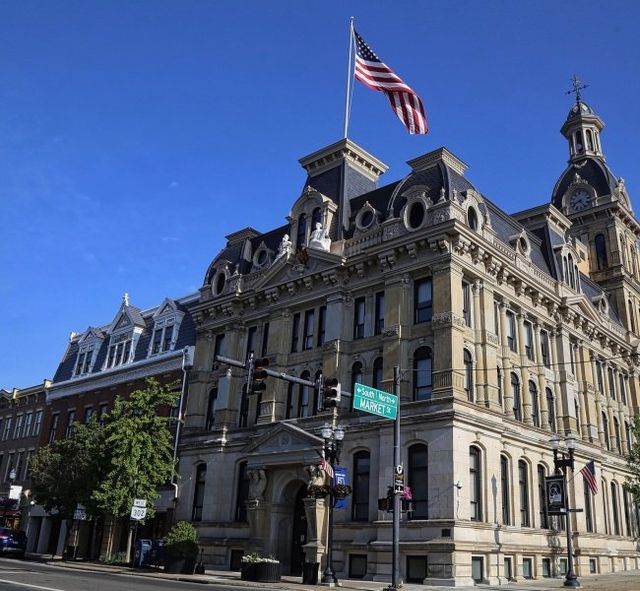
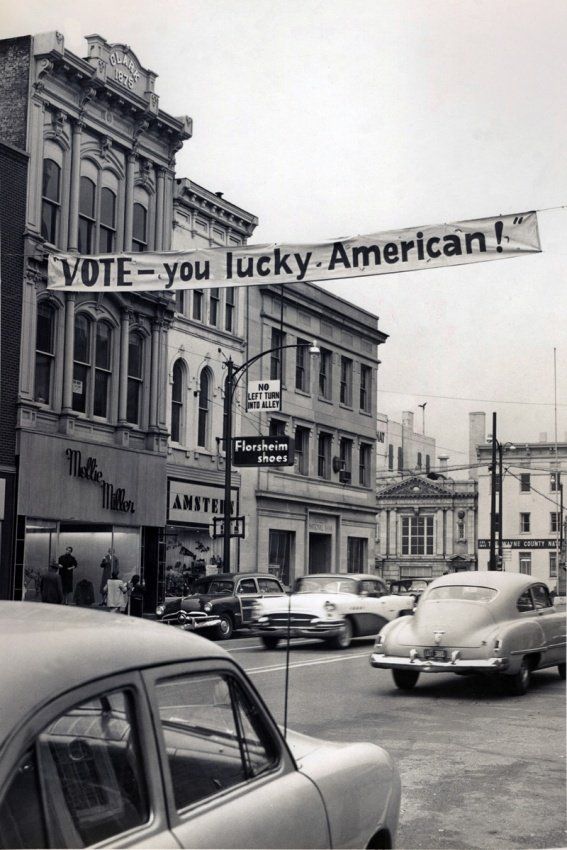
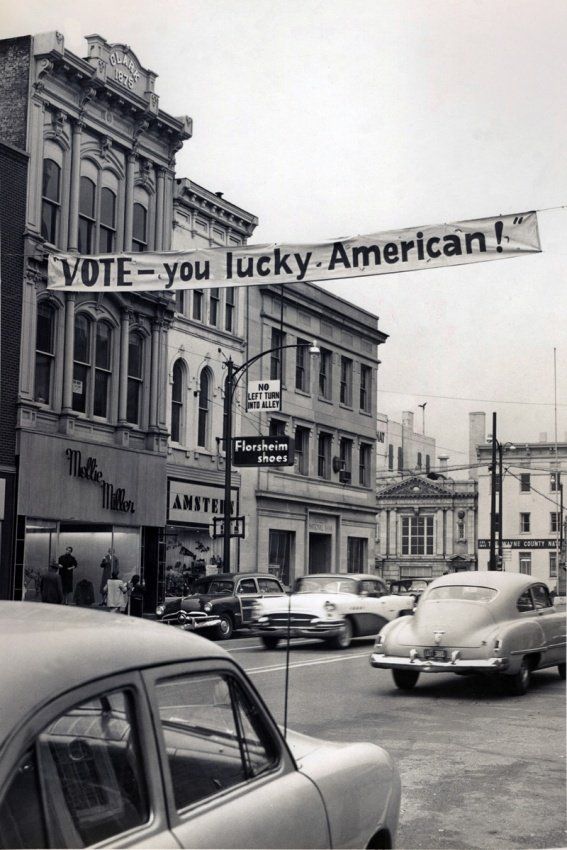
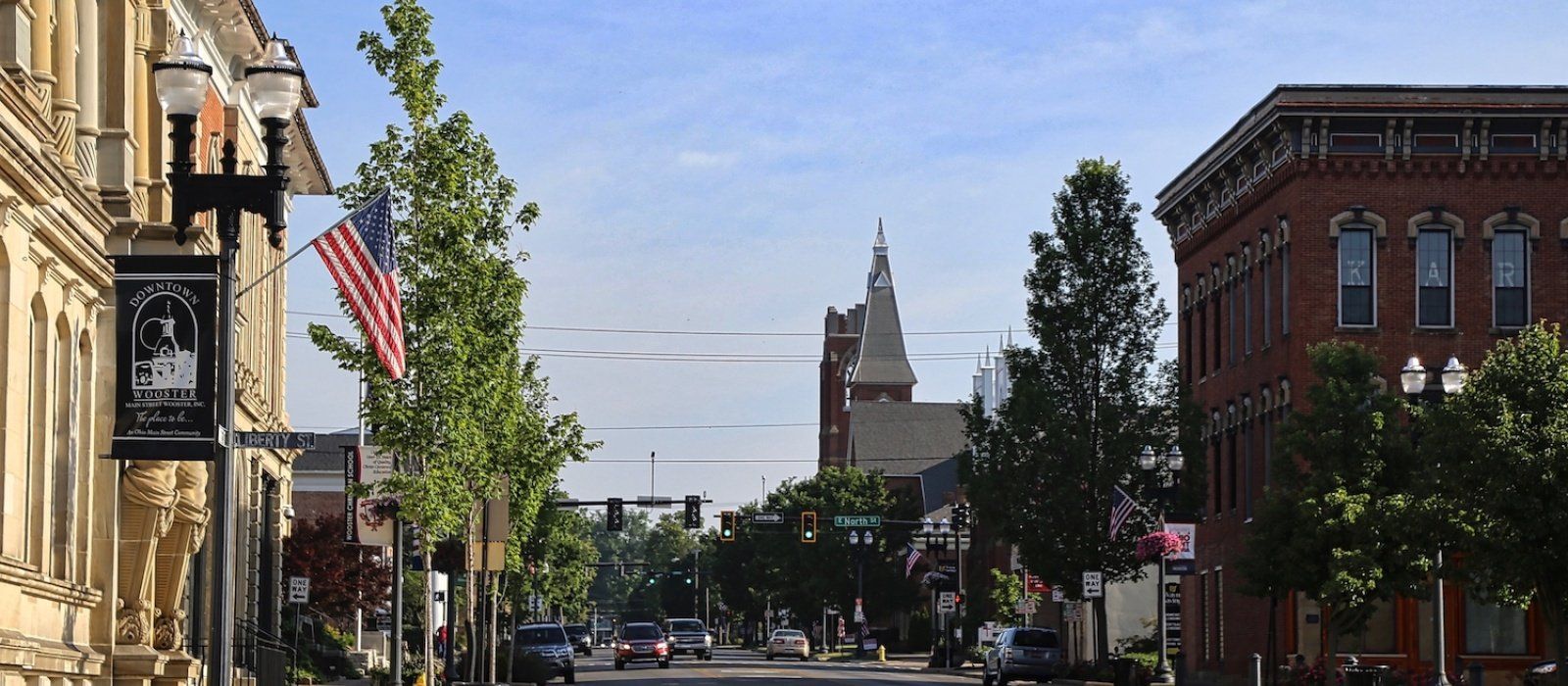
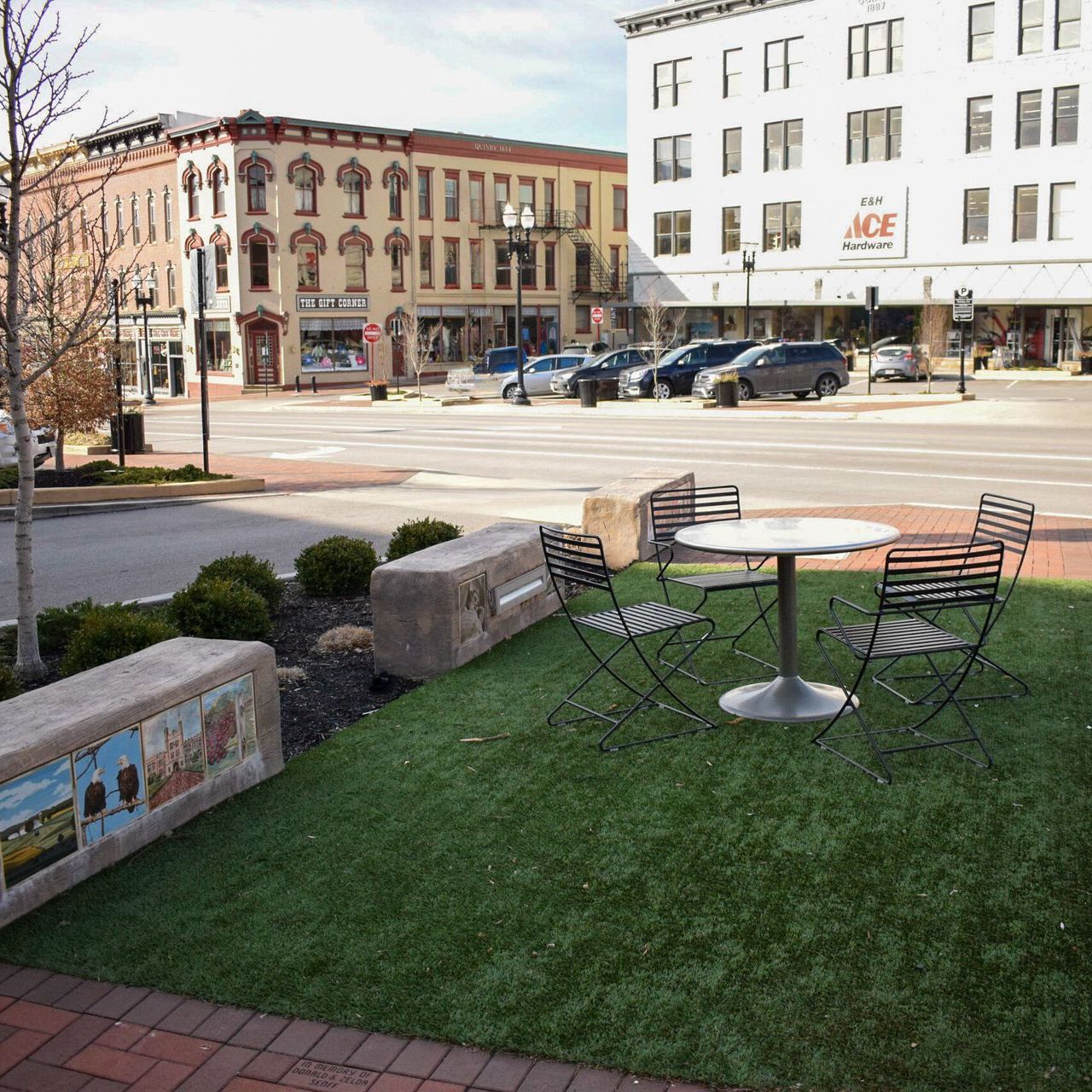
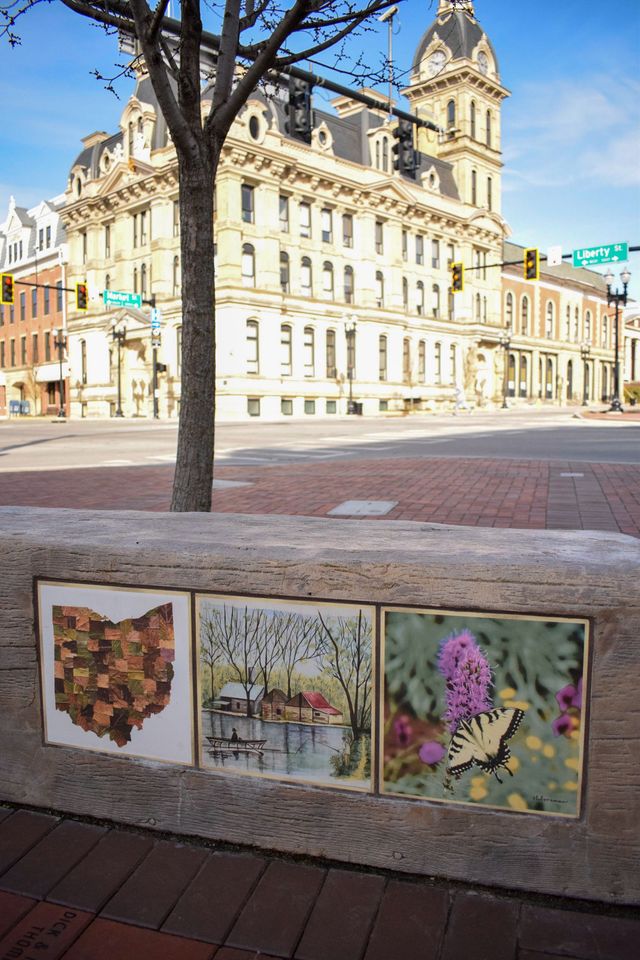
Shannon Waller / Executive Director Video Courtesy of: Wooster Media Group, LLC. 2023 Heritage Ohio Film Festival Film Thank you to Heritage Ohio, for spotlighting our community. Revitalization & historic preservation are two of the top pillars for our organization. Please enjoy the video! A huge thanks to the The City of Wooster, it is our honor to work & grow with you! Another huge thank you to our citizens, businesses, organizations & community members. We are so thankful & grateful for you all! Main Street Wooster, Inc. was incorporated in June, 1985. Implementation of the program began in January, 1987. The process was developed by the National Main Street Center of the National Trust for Historic Preservation. The Main Street process is based on four tenets: Building consensus and cooperation among public and private groups and individuals, and identifying sources of funding for revitalization activities. Enhancing the commercial district’s physical appearance a through building rehabilitation, compatible new construction, public improvements, and design management systems. Marketing the commercial district through events and advertising to attract customers, potential investors, new businesses, residents, and visitors. Strengthening the district’s economic base and creating new opportunities through careful analysis and appropriate mixed-use development. Main Street Wooster, Inc. works with an incremental process which has resulted in approximately $145 million of public and private reinvestment, the interior and exterior rehabilitation of 87 buildings, a net gain of 57 new businesses, and the retention and expansion of 36 businesses with less than 6% vacancy in its downtown street storefronts. Main Street Wooster, Inc. is a non-profit organization, a 501(C)3, the funding of which is contributed on a 3-year pledge basis. The Board of Trustees, which represents the community and downtown Wooster, deals with issues that directly affect the downtown commercial core and its goal to remain economically viable. To enhance the community of Wooster by improving the quality of its downtown business and living environment through Planning, Organization, Design, Promotion, and Economic Development. Downtown Wooster is the cornerstone of the community...dedicated to the development of public/private partnerships, maintenance of small town tradition, development of specialized retail, professional, and governmental businesses/offices, and celebration through events. On January 4, 1812, the Ohio General Assembly organized the present Wayne County, named in honor of Major-General Anthony Wayne. Wooster’s earliest history begins with the brothers William,Josephand John Larwill, who along with John Bever and William Henry surveyed the town in 1808. Wooster was named in honor of Revolutionary War Brigadier-General David Wooster of Connecticut. Wooster was made the Seat of Justice in 1811, and incorporated as a town on October 13, 1817. The population in 1820 was 1,935. Theearliest settlers were from Maryland, Virginia, New Jersey and New England. A great number also came from Pennsylvania, people who came to be known as Pennsylvania Dutch or Pennsylvania Germans. The first Amish Settler, Jacob Yoder, came to Wayne County in 1817. The Amish communities in Wayne and neighboring Holmes Counties are home to a large settlement of Amish. The Amish communities enhance the strong agricultural heritage of Wayne County. Downtown Wooster, intersected by Liberty and Market Streets, was characterized by a dry goods business, Larwill, Girling & Co., in 1818. The construction of a jail (1816) and the first courthouse (1818) helped to establish the trading center of the county. The courthouse that stands today was constructed for $75,000 in 1878. Downtown Wooster currently has 300 businesses which include retail, service, governmental, education, and non profits. Wooster was designated one of Ohio’s “Best Hometowns” by Ohio magazin
Our Story
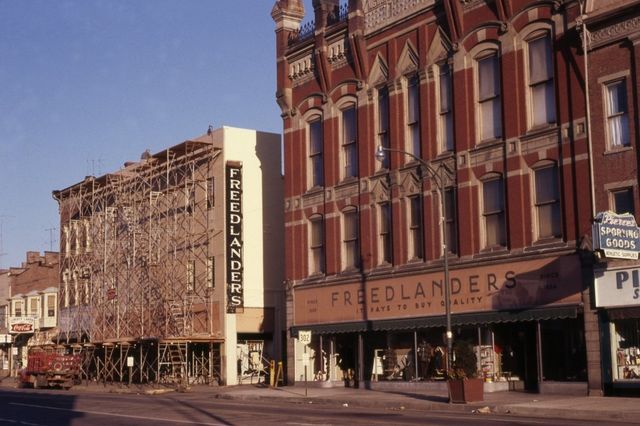
Main Street Wooster Mission Shannon Waller / Executive Director Video Courtesy of: Wooster Media Group, LLC. 2023 Heritage Ohio Film Festival Film Thank you to Heritage Ohio, for spotlighting our community. Revitalization & historic preservation are two of the top pillars for our organization. Please enjoy the video! A huge thanks to the The City of Wooster, it is our honor to work & grow with you! Another huge thank you to our citizens, businesses, organizations & community members. We are so thankful & grateful for you all! Main Street Wooster, Inc. was incorporated in June, 1985. Implementation of the program began in January, 1987. The process was developed by the National Main Street Center of the National Trust for Historic Preservation. The Main Street process is based on four tenets: Building consensus and cooperation among public and private groups and individuals, and identifying sources of funding for revitalization activities. Enhancing the commercial district’s physical appearance a through building rehabilitation, compatible new construction, public improvements, and design management systems. Marketing the commercial district through events and advertising to attract customers, potential investors, new businesses, residents, and visitors. Economic Restructuring Strengthening the district’s economic base and creating new opportunities through careful analysis and appropriate mixed-use development. Main Street Wooster, Inc. works with an incremental process which has resulted in approximately $145 million of public and private reinvestment, the interior and exterior rehabilitation of 87 buildings, a net gain of 57 new businesses, and the retention and expansion of 36 businesses with less than 6% vacancy in its downtown street storefronts. Main Street Wooster, Inc. is a non-profit organization, a 501(C)3, the funding of which is contributed on a 3-year pledge basis. The Board of Trustees, which represents the community and downtown Wooster, deals with issues that directly affect the downtown commercial core and its goal to remain economically viable. To enhance the community of Wooster by improving the quality of its downtown business and living environment through Planning, Organization, Design, Promotion, and Economic Development. Downtown Wooster is the cornerstone of the community...dedicated to the development of public/private partnerships, maintenance of small town tradition, development of specialized retail, professional, and governmental businesses/offices, and celebration through events. On January 4, 1812, the Ohio General Assembly organized the present Wayne County, named in honor of Major-General Anthony Wayne. Wooster’s earliest history begins with the brothers William,Josephand John Larwill, who along with John Bever and William Henry surveyed the town in 1808. Wooster was named in honor of Revolutionary War Brigadier-General David Wooster of Connecticut. Wooster was made the Seat of Justice in 1811, and incorporated as a town on October 13, 1817. The population in 1820 was 1,935. Theearliest settlers were from Maryland, Virginia, New Jersey and New England. A great number also came from Pennsylvania, people who came to be known as Pennsylvania Dutch or Pennsylvania Germans. The first Amish Settler, Jacob Yoder, came to Wayne County in 1817. The Amish communities in Wayne and neighboring Holmes Counties are home to a large settlement of Amish. The Amish communities enhance the strong agricultural heritage of Wayne County. Downtown Wooster, intersected by Liberty and Market Streets, was characterized by a dry goods business, Larwill, Girling & Co., in 1818. The construction of a jail (1816) and the first courthouse (1818) helped to establish the trading center of the county. The courthouse that stands today was constructed for $75,000 in 1878. Downtown Wooster currently has 300 businesses which include retail, service, governmental, education, and non profits. Wooster was desi
Meet Tami Mosser
Farmers Market Owner · Since 1976
What Sets This Farm Apart
UnverifiedEvery practice listed here means something specific. Tap any practice to learn what it requires and why it matters.
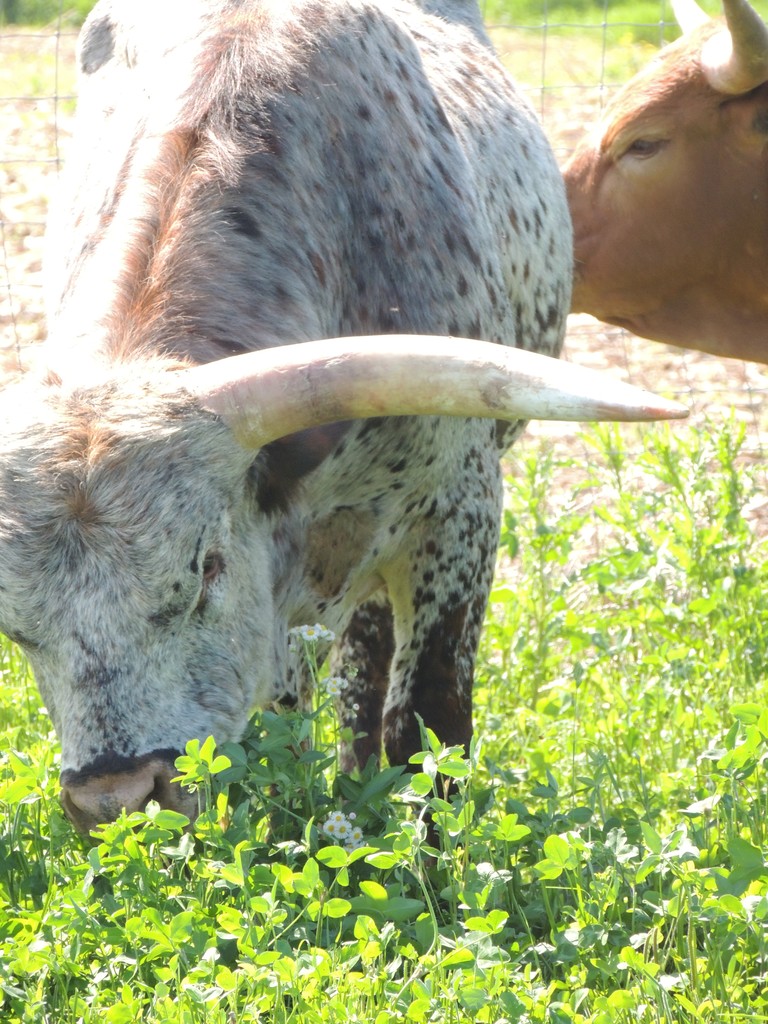
Beef
Poultry & Eggs
Not verified by Bhumi. This farm's practices have not been independently verified. Product claims (grass-fed, pasture-raised, organic, etc.) are based on publicly available information and have not been confirmed.