






Bartram's Garden
UnverifiedProduce Farm
Southwest Philadelphia's Home for Horticulture
Our Animals
Cattle
Cattle: Guernsey
How to Buy
Markets & Stores
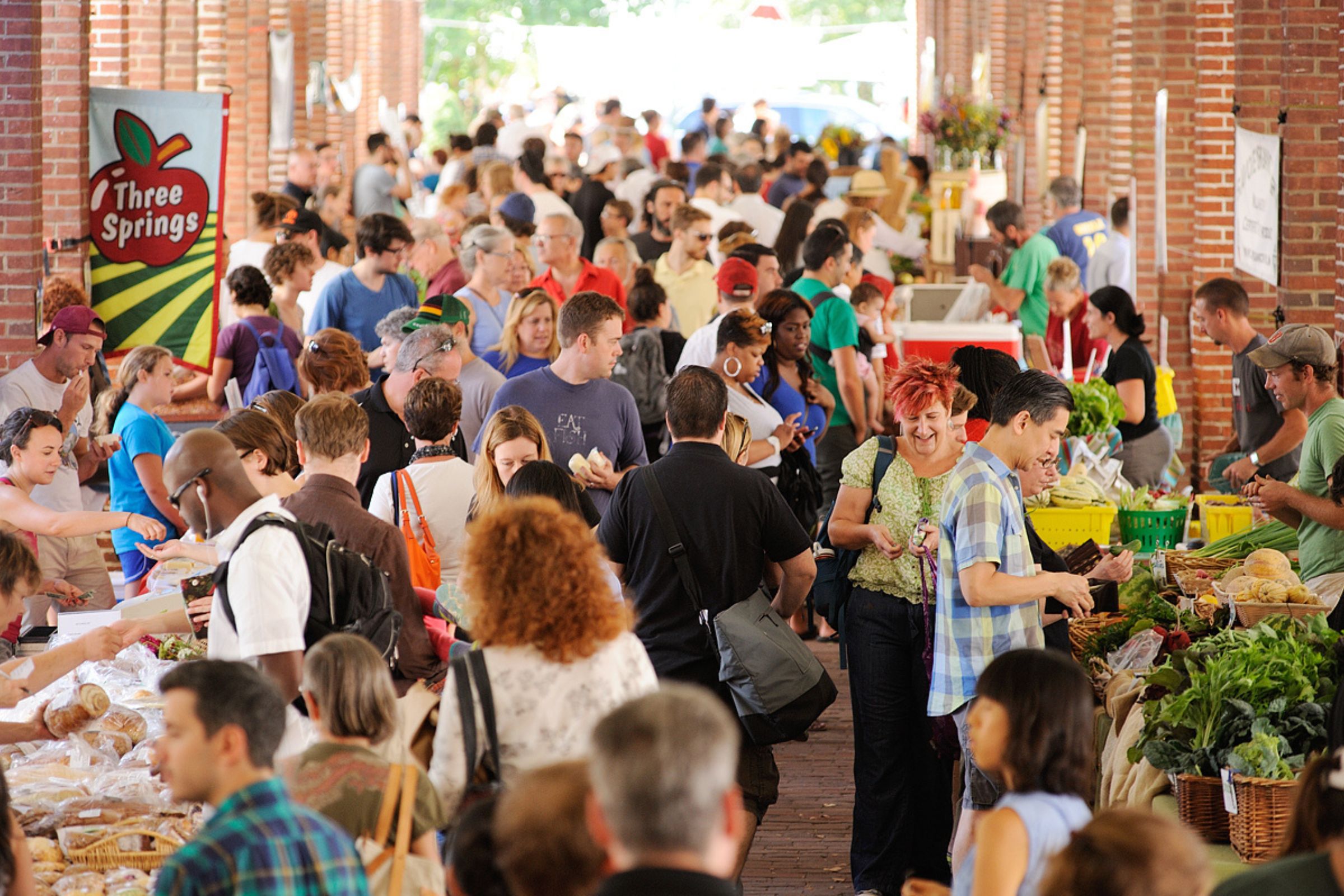
farmers market
Photos
About Bartram's Garden
Bartram’s Garden is located in Lenapehoking, the homeland of the Lenape people. In addition to the Lenape and unknown indigenous communities, this land has been home to early Swedish colonists, Black families and individuals, the family of Philadelphia railroad industrialist Andrew M. Eastwick, and botanist John Bartram and his descendants. The botanic garden established by the Bartram family in the 1700s has been preserved and was designated a public park by the City of Philadelphia in 1891. The intentional preservation of the Bartram family’s history unintentionally preserved histories that preceded, coincided with, and succeeded the family. We are still working to uncover and illuminate the complex and intertwining histories embedded in this land. Bartram’s Garden is the site of Philadelphia’s oldest excavated findings. Archaeological evidence reveals that the Garden was occupied seasonally by indigenous people as early as 3000 BCE. There is no way to determine who these people were, as there were many waves of migrations over the millennia, but we can speculate that they relied upon the river and nutrient-rich tidal wetlands as a reliable source of food. Fishing would have been significant, especially during large seasonal fish runs, as well as hunting mammals and birds in the marshland and harvesting marsh plant resources like wild rice, spatterdock, sagittaria, arrow arum, and cattails. Objects found during digs include stone tools, ceramic vessels, fire hearths, and pit features. These objects are available to view in the John Bartram Bowman Special Collections Libraryby appointment. Today, our neighborhood is still referred to as Kingsessing, a Lenape name likely dating from around 1500 meaning “place where there is a meadow” or “boggy meadow.” A village known as Arronemink was located on the banks of the Tidal Schuylkill within Kingsessing, at the mouth of what is today known as the Mill Creek. A possible meaning for “Arronemink” is “place where the fish cease,” which may refer to the presence of natural waterfalls in the area; it was alternatively spelled “Aroenameck and “Arromink.” During this period, the Lenape were not the only native or First Nations people to live in the Delaware Valley. Algonquin peoples may have been present, and Iroquoian-speaking groups were common, particularly to the west in the Susquehanna Valley and north towards what is now New York. By the 1640s, the Lenape had largely abandoned this area and relocated to the east bank of the Delaware River, due to the almost-yearly wars of the Susquehannock and Iroquois, sometimes also called the Beaver Wars. Beginning in 1648, a 1,000-acre tract of riverfront that included the land now known as Bartram’s Garden was settled by the Swedish as “Aronameck” or “Aronameck Plantation,” a colonial outpost in New Sweden. The ethnic population of Europeans in the colony was probably less than half Swedish, also including people of Dutch, Finnish, German, Danish, French, and English descent. Unlike most European colonists in North America, the Swedes maintained a friendly and cooperative association with the remaining Lenape in the region, with some settlers learning the Lenape language. The Swedes engaged in the fur trade, which was beneficial for the Lenape people, and they provided some political stability against the encroaching Iroquois. Aronameck was eventually divided along natural boundaries and creek valleys, and further small clearings developed later in the 17th century, including a piece that became the riverfront site of John Bartram’s farm and garden. The Bartrams held the property for three generations, from 1728 until 1850, when Philadelphia industrialist Andrew Eastwick purchased Bartram’s Garden from John Bartram’s granddaughter Ann Bartram Carr and her husband, Colonel Robert Carr. Eastwick reportedly loved Bartram’s Garden and vowed to preserve the botanical gardens and historic buildings, hiring as head gardener the English nurseryma
Our Story
Honoring shared histories Bartram’s Garden is located in Lenapehoking, the homeland of the Lenape people. In addition to the Lenape and unknown indigenous communities, this land has been home to early Swedish colonists, Black families and individuals, the family of Philadelphia railroad industrialist Andrew M. Eastwick, and botanist John Bartram and his descendants. The botanic garden established by the Bartram family in the 1700s has been preserved and was designated a public park by the City of Philadelphia in 1891. The intentional preservation of the Bartram family’s history unintentionally preserved histories that preceded, coincided with, and succeeded the family. We are still working to uncover and illuminate the complex and intertwining histories embedded in this land. Bartram’s Garden is the site of Philadelphia’s oldest excavated findings. Archaeological evidence reveals that the Garden was occupied seasonally by indigenous people as early as 3000 BCE. There is no way to determine who these people were, as there were many waves of migrations over the millennia, but we can speculate that they relied upon the river and nutrient-rich tidal wetlands as a reliable source of food. Fishing would have been significant, especially during large seasonal fish runs, as well as hunting mammals and birds in the marshland and harvesting marsh plant resources like wild rice, spatterdock, sagittaria, arrow arum, and cattails. Objects found during digs include stone tools, ceramic vessels, fire hearths, and pit features. These objects are available to view in the John Bartram Bowman Special Collections Libraryby appointment. Today, our neighborhood is still referred to as Kingsessing, a Lenape name likely dating from around 1500 meaning “place where there is a meadow” or “boggy meadow.” A village known as Arronemink was located on the banks of the Tidal Schuylkill within Kingsessing, at the mouth of what is today known as the Mill Creek. A possible meaning for “Arronemink” is “place where the fish cease,” which may refer to the presence of natural waterfalls in the area; it was alternatively spelled “Aroenameck and “Arromink.” During this period, the Lenape were not the only native or First Nations people to live in the Delaware Valley. Algonquin peoples may have been present, and Iroquoian-speaking groups were common, particularly to the west in the Susquehanna Valley and north towards what is now New York. By the 1640s, the Lenape had largely abandoned this area and relocated to the east bank of the Delaware River, due to the almost-yearly wars of the Susquehannock and Iroquois, sometimes also called the Beaver Wars. Beginning in 1648, a 1,000-acre tract of riverfront that included the land now known as Bartram’s Garden was settled by the Swedish as “Aronameck” or “Aronameck Plantation,” a colonial outpost in New Sweden. The ethnic population of Europeans in the colony was probably less than half Swedish, also including people of Dutch, Finnish, German, Danish, French, and English descent. Unlike most European colonists in North America, the Swedes maintained a friendly and cooperative association with the remaining Lenape in the region, with some settlers learning the Lenape language. The Swedes engaged in the fur trade, which was beneficial for the Lenape people, and they provided some political stability against the encroaching Iroquois. Aronameck was eventually divided along natural boundaries and creek valleys, and further small clearings developed later in the 17th century, including a piece that became the riverfront site of John Bartram’s farm and garden. The Bartrams held the property for three generations, from 1728 until 1850, when Philadelphia industrialist Andrew Eastwick purchased Bartram’s Garden from John Bartram’s granddaughter Ann Bartram Carr and her husband, Colonel Robert Carr. Eastwick reportedly loved Bartram’s Garden and vowed to preserve the botanical gardens and historic buildings, hiring as head gar
Meet the non
Farm Owner · Since 1893
What Sets This Farm Apart
UnverifiedEvery practice listed here means something specific. Tap any practice to learn what it requires and why it matters.
Not verified by Bhumi. This farm's practices have not been independently verified. Product claims (grass-fed, pasture-raised, organic, etc.) are based on publicly available information and have not been confirmed.
Hours & Operations
| monday | 9:30 AM – 4:30 PM |
| tuesday | 9:30 AM – 4:30 PM |
| wednesday | 9:30 AM – 4:30 PM |
| thursday | 9:30 AM – 4:30 PM |
| friday | 9:30 AM – 4:30 PM |
| saturday | 9:30 AM – 4:30 PM |
| sunday | 9:30 AM – 4:30 PM |
Location & Directions
Quick Facts
Practices